
Malaysian clothes rack aesthetics are a captivating blend of tradition and modernity, reflecting a rich cultural heritage. From the warm, earthy tones of traditional wooden designs to the sleek lines of contemporary metal racks, these structures are more than just storage; they are a visual narrative woven from centuries of craftsmanship and evolving design sensibilities. The integration of these racks into homes and commercial spaces speaks volumes about the importance placed on visual appeal and functionality in Malaysian culture.
This exploration delves into the core characteristics of Malaysian clothes rack aesthetics, examining the various materials, colors, patterns, and design elements that define them. It also analyzes how these aesthetics vary across different regions and settings, from traditional homes to modern boutiques, revealing the nuanced interplay between cultural values and contemporary trends.
Defining Malaysian Clothes Rack Aesthetics
Malaysian clothes rack aesthetics are a vibrant tapestry woven from cultural threads, reflecting the nation’s rich history and diverse influences. These visual expressions, often incorporating traditional motifs and materials, transcend mere functionality, becoming statements of identity and artistry. The aesthetic extends beyond the rack itself, encompassing the way garments are displayed and the overall atmosphere created.The visual characteristics of Malaysian clothes rack aesthetics are strongly tied to the country’s multicultural heritage, blending elements of Malay, Chinese, Indian, and other Southeast Asian traditions.
These aesthetics showcase a dynamic interplay of form and function, where beauty and practicality converge. The emphasis is often on craftsmanship, showcasing the skills and artistry inherent in the design and construction.
Core Visual Characteristics
Malaysian clothes rack aesthetics are characterized by a harmonious blend of traditional motifs and modern sensibilities. These visual traits often incorporate elements of symmetry, flowing lines, and intricate details. The visual language often includes vibrant colors and textures, reflecting the country’s rich artistic heritage. The choice of materials, patterns, and designs contribute to a distinctive visual language.
Color Palettes
The color palettes frequently used in Malaysian clothes rack designs often draw inspiration from nature and traditional textiles. Warm, earthy tones like terracotta, burnt orange, and deep browns are common, often juxtaposed with vibrant hues like crimson, emerald green, and sapphire blue. These color combinations reflect the richness and vibrancy of Malaysian culture. Examples include the use of batik patterns in bold, saturated colors, which often feature on clothes racks.
Textures and Materials
Malaysian clothes rack designs frequently incorporate a range of textures and materials, reflecting both tradition and modernity. Woven rattan, intricately carved wood, and hand-painted metal are frequently used. The choice of material often plays a critical role in determining the overall aesthetic. For instance, the smooth, polished surface of lacquered wood contrasts with the natural, organic texture of woven bamboo.
Design Elements, Patterns, and Motifs
Traditional Malaysian patterns and motifs frequently appear in clothes rack designs. These include floral patterns, intricate geometric designs, and stylized depictions of animals or mythical creatures. The use of batik patterns, with their unique wax-resist dyeing technique, is another key element. These designs often tell stories, evoke cultural memories, and express a deep connection to the past.
Cultural and Historical Influences
The aesthetic of clothes racks in Malaysia is deeply rooted in the nation’s rich cultural history. Malaysian textiles, like songket, are often incorporated, reflecting the exquisite craftsmanship and symbolism associated with these traditional materials. The influence of Malay, Chinese, Indian, and other cultures is visible in the motifs, colors, and overall aesthetic of the clothes racks. These influences are woven together to create a distinct visual identity.
Traditional Malaysian Textiles and Craftsmanship
Traditional Malaysian textiles and craftsmanship play a pivotal role in defining the aesthetic of clothes racks. The use of intricately woven textiles, such as songket, often forms a prominent feature, showcasing the skill and artistry of local artisans. The designs and patterns on these textiles reflect cultural stories and historical narratives. The use of traditional materials, like woven rattan and wood, further reinforces the connection to the country’s rich heritage.
This incorporation of craftsmanship adds an artistic value to the clothes racks, elevating them beyond mere functional objects.
Visual Elements of Malaysian Clothes Rack Designs

Malaysian clothes racks, reflecting a rich tapestry of cultural influences, extend beyond mere functional storage. Their aesthetic value, often deeply intertwined with traditional craftsmanship and contemporary design sensibilities, contributes significantly to the overall ambiance of a space. From the warm, rustic charm of handcrafted wooden racks to the sleek modernity of metal designs, the visual impact of these structures is undeniably powerful.The design of clothes racks in Malaysia, whether traditional or modern, often serves as a microcosm of the country’s diverse cultural heritage and its embrace of both timeless traditions and contemporary trends.
This intricate interplay between tradition and modernity is visually compelling, shaping the character of homes and commercial spaces.
Importance of Lighting in Creating Mood
Lighting plays a crucial role in accentuating the visual appeal of Malaysian clothes racks. Warm, ambient lighting can highlight the intricate carvings and textures of wooden racks, evoking a sense of nostalgia and tradition. Conversely, strategic use of spotlights or accent lighting can draw attention to the sleek lines and geometric patterns of modern metal racks, emphasizing their contemporary aesthetic.
The interplay of light and shadow adds depth and dimension to the overall design, enriching the visual experience.
Comparison of Different Clothes Rack Styles
Different styles of clothes racks evoke distinct aesthetic impacts. Traditional wooden racks, often featuring intricate carvings and patterns, project a warm, rustic, and traditional ambiance, reminiscent of the rich craftsmanship of Malaysian artisans. These racks often become focal points in a room, telling a story through their detailed design. Modern metal racks, characterized by their sleek lines and geometric patterns, impart a contemporary, stylish, and often minimalist aesthetic.
These racks are ideal for modern homes or spaces that prioritize a clean, uncluttered aesthetic. The choice of style aligns with the desired mood and overall design scheme of the room.
Types of Clothes Racks in Malaysia
| Type of Clothes Rack | Material | Design Features | Visual Impact |
|---|---|---|---|
| Traditional Wooden Rack | Wood (teak, mahogany, or other hardwoods) | Carved patterns, intricate designs (often incorporating floral or geometric motifs), sometimes incorporating traditional Malay motifs or calligraphy | Warm, rustic, traditional, timeless, highlighting cultural heritage |
| Modern Metal Rack | Metal (steel, aluminum) | Sleek lines, geometric patterns, often incorporating industrial or minimalist design elements, sometimes with integrated lighting | Modern, contemporary, stylish, minimalist, clean lines |
| Bamboo Clothes Rack | Bamboo | Natural, organic design, often with open structure, can be functional and space-saving | Natural, eco-friendly, light, airy, and adds a touch of nature to the space |
| Rattan Clothes Rack | Rattan | Natural, woven patterns, organic design, often incorporating natural textures | Bohemian, natural, warm, and welcoming, particularly suited for spaces that embrace a relaxed atmosphere |
Natural vs. Artificial Materials in Clothes Rack Aesthetics
The choice between natural and artificial materials in clothes rack design significantly impacts the aesthetic. Natural materials, such as wood, bamboo, and rattan, often evoke a sense of warmth, natural beauty, and connection to the environment. They bring a sense of organic harmony and are appreciated for their unique textures and patterns. Conversely, artificial materials like metal or plastic offer versatility and often lend a contemporary and modern aesthetic.
The visual impact of the material choice reflects the intended atmosphere and style of the room.
| Material | Aesthetic | Example |
|---|---|---|
| Natural (wood, bamboo, rattan) | Warm, organic, traditional, eco-friendly | A teakwood clothes rack with intricate carvings in a traditional Malay home |
| Artificial (metal, plastic) | Modern, contemporary, sleek, functional | A minimalist metal clothes rack with integrated LED lighting in a modern apartment |
Malaysian Clothes Rack Aesthetic in Different Settings
Malaysian homes, from bustling city apartments to sprawling rural estates, showcase a unique blend of cultural traditions and modern sensibilities. Clothes racks, often more than mere storage, become integral design elements, reflecting the owners’ tastes and the specific needs of the space. This evolution of clothes rack aesthetics is a fascinating microcosm of Malaysia’s diverse cultural tapestry.Clothes rack aesthetics in Malaysia are not static; they adapt to the varying contexts within which they are used.
This adaptability is evident in the ways clothes racks are incorporated into bedrooms, living rooms, hallways, and commercial settings. Variations also exist across different regions of the country, reflecting regional cultural preferences and design trends.
Bedroom Integration
Malaysian bedrooms often feature clothes racks designed for both functionality and aesthetic appeal. Racks may be integrated into built-in wardrobes or stand-alone units, often incorporating traditional motifs or modern minimalist designs. The material choices, such as wood, metal, or rattan, can vary depending on the overall style of the room. The placement of the rack is crucial; it must be positioned to maximize space and create a cohesive visual narrative within the bedroom.
Living Room Applications
Clothes racks in Malaysian living rooms serve a dual purpose: display and storage. They can be used to showcase stylish clothing or accessories, contributing to the overall ambiance of the room. Sometimes, clothes racks in living areas are part of a larger display system that also includes shelving and other decorative elements. Their designs often incorporate features like open shelving or hooks, allowing for a more flexible and dynamic presentation of clothing and other items.
Hallway Functionality
In Malaysian hallways, clothes racks are practical solutions for storage. They provide a convenient place to hang outerwear, bags, and other items. The design of hallway racks often emphasizes practicality and space-saving features. Sometimes, these racks may be incorporated into the design of the hallway’s built-in furniture, seamlessly blending with the overall layout.
Regional Variations
The aesthetic of clothes racks varies across Malaysia, reflecting the diverse cultural influences in different regions. For instance, in rural areas, clothes racks might incorporate more traditional materials and designs, such as woven rattan or handcrafted wooden structures. Urban areas, conversely, tend to favor contemporary designs with metal frames and sleek lines. This variation in design, a testament to Malaysia’s diverse cultural landscape, adds richness to the country’s aesthetic.
Adaptations for Cultural Events
Clothes racks can be adapted for specific cultural events or occasions. During festive seasons, like Hari Raya Aidilfitri, clothes racks may feature decorative elements reflecting the holiday’s theme, such as vibrant colours or traditional patterns. This adaptability highlights the importance of clothes racks in integrating with cultural celebrations and adding a touch of local charm to events.
Commercial Applications
In shops and boutiques, clothes racks are vital for displaying merchandise effectively. Design choices here emphasize maximizing visibility and creating a visually appealing shopping experience. Commercial clothes racks frequently employ strategic lighting and material choices to highlight the items being displayed. Their aesthetic is crucial for attracting customers and establishing a specific brand image.
Color and Pattern Palettes
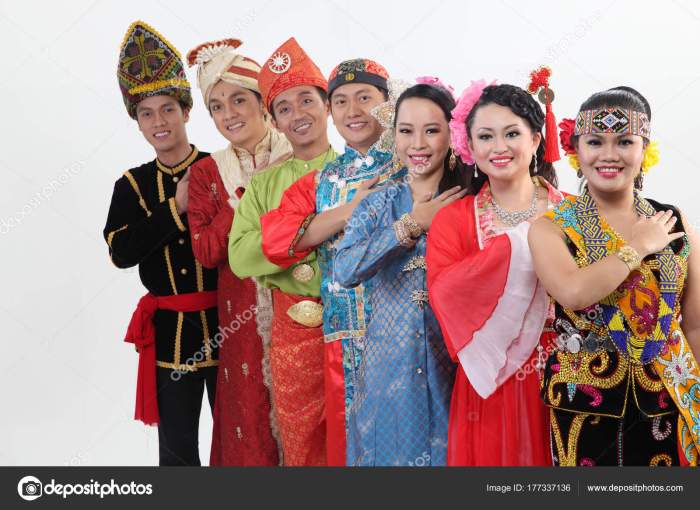
Malaysian clothes rack aesthetics draw inspiration from a rich tapestry of cultural traditions and seasonal influences. The vibrant colors and intricate patterns found on these racks reflect the country’s diverse heritage and artistic expressions. From the warm earth tones evoking traditional craftsmanship to the bolder hues representing contemporary trends, the palettes used in Malaysian clothes rack designs offer a fascinating insight into the nation’s evolving cultural identity.The deliberate choices of colors and patterns in Malaysian clothes rack aesthetics often hold symbolic meanings, mirroring cultural values and seasonal transitions.
These choices, ranging from traditional motifs to contemporary interpretations, contribute to the overall visual impact and narrative of the designs.
Common Color Palettes
The selection of color palettes in Malaysian clothes rack aesthetics is often tied to cultural and seasonal connotations. Different shades and combinations communicate specific messages and evoke particular moods.
| Color Palette | Cultural Significance | Seasonal Association | Visual Impact |
|---|---|---|---|
| Warm earth tones (e.g., terracotta, ochre, burnt sienna) | Often associated with traditional craftsmanship, rural landscapes, and the grounded aspects of Malaysian culture. | Autumn | Inviting, grounded, and evocative of a sense of tranquility. |
| Vibrant tropical hues (e.g., hibiscus red, emerald green, mango yellow) | Reflect the richness of the Malaysian flora and fauna, embodying the vibrant spirit of the country. | Spring/Summer | Energetic, cheerful, and reminiscent of the tropical climate. |
| Muted pastels (e.g., lavender, mint green, dusty rose) | Suggest a sense of sophistication and elegance, often associated with modern design sensibilities. | Spring/Summer | Sophisticated, calming, and appropriate for contemporary settings. |
| Bold jewel tones (e.g., sapphire blue, ruby red, emerald green) | Represent opulence, luxury, and high status in some traditional contexts, often used in celebratory settings. | Fall | Dramatic, eye-catching, and suitable for a sophisticated, modern aesthetic. |
Traditional and Contemporary Patterns
Malaysian clothes rack aesthetics showcase a rich array of patterns, both traditional and contemporary. These patterns often draw inspiration from local folklore, historical events, and natural elements.Traditional patterns often include intricate batik motifs, floral designs, and geometric patterns reflecting the diverse cultural influences on the region.
- Batik: A wax-resist dyeing technique produces unique patterns on fabrics, often depicting floral motifs, geometric shapes, and animal figures. These patterns are deeply rooted in Malaysian cultural heritage and traditions.
- Floral patterns: Common in textiles, reflecting the abundant flora of the Malaysian landscape, evoking natural beauty and abundance.
- Geometric patterns: Found in various forms of traditional Malay crafts, often symbolizing harmony, balance, and order.
Contemporary patterns incorporate modern interpretations of traditional designs, blending traditional motifs with contemporary aesthetics.
- Abstract patterns: Incorporate modern artistic styles and techniques, showcasing a more contemporary perspective.
- Geometric patterns: Updated with contemporary color combinations and compositions, creating a more modern and dynamic aesthetic.
Symbolic Meanings
The choice of patterns and colors often carries symbolic weight within Malaysian culture. Specific motifs can represent particular values, beliefs, or historical events.
- Batik patterns: Often carry specific meanings related to cultural stories, legends, or social hierarchies.
- Colors: Certain colors are associated with specific events, ceremonies, or emotions, such as red signifying auspiciousness and prosperity in some traditional contexts.
The symbolic meanings behind specific patterns and colors in Malaysian clothes rack aesthetics are complex and multifaceted, reflecting the country’s rich cultural heritage.
Materials and Textures
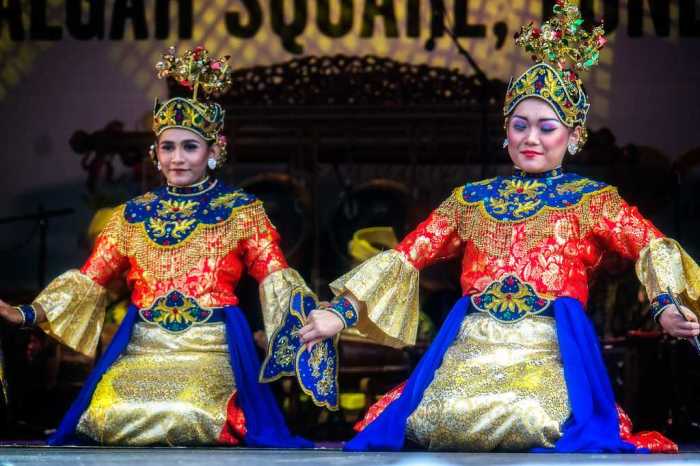
Malaysian clothes racks, reflecting the country’s rich cultural heritage and diverse design sensibilities, often showcase a blend of traditional and modern materials. The choice of material significantly impacts the overall aesthetic, from the rustic charm of natural wood to the sleek sophistication of metal. This exploration delves into the common materials and textures, their tactile qualities, and the sustainability considerations surrounding their use.The selection of materials for clothes racks in Malaysia is deeply intertwined with local traditions and readily available resources.
This often results in a unique interplay of aesthetics and functionality, with materials chosen not only for their visual appeal but also for their durability and practicality.
Common Materials
Malaysian clothes rack designs frequently incorporate a variety of materials, each contributing a distinct character to the final product. The choice of material is often influenced by factors like cost, availability, and desired aesthetic.
- Wood: Natural wood, particularly teak and merbau, is a popular choice. These hardwoods are known for their strength, durability, and beautiful grain patterns. The warm, natural tones of wood create a sense of warmth and authenticity, often associated with traditional craftsmanship. Teak, with its inherent resistance to decay, is particularly favored for outdoor racks.
- Metal: Metal, including steel and aluminum, offers a modern and often sleek aesthetic. Metal racks are generally more durable and resistant to damage compared to wood, making them suitable for high-traffic areas. Powder-coated finishes can provide an array of colors and textures, enhancing the visual appeal. Aluminum, due to its lightweight nature, is well-suited for higher-capacity clothes racks.
- Rattan and Bamboo: These natural materials, prevalent in Southeast Asian design, provide a light and airy feel. Rattan and bamboo racks often have a rustic, handcrafted appearance. Their flexibility allows for creative designs, while their inherent breathability is beneficial in humid climates. However, their durability might be lower than metal or wood.
- Resin and Composites: Resin-based materials, sometimes reinforced with fiberglass or other composites, are gaining popularity. They provide a modern, contemporary look and offer good resistance to weather and pests. Resin racks are often available in various colors and designs, allowing for greater creative freedom. Their strength and durability are comparable to metal.
Tactile Qualities and Visual Impact
The tactile qualities of materials significantly impact the overall aesthetic of a clothes rack. The smoothness of polished metal, the warmth of wood grain, or the intricate weave of rattan all contribute to the visual and sensory experience.
- Wood: The tactile quality of wood is often associated with natural warmth and strength. The variations in wood grain provide a visual interest, adding depth and texture to the rack. The natural variations in wood grain patterns can enhance the overall aesthetic, creating a rustic and personalized feel.
- Metal: Metal’s tactile qualities range from the smooth, cool feel of polished surfaces to the rough, textured appearance of unfinished metal. The visual impact of metal is often defined by its sleek lines and ability to reflect light. Powder-coated metal offers a wider range of color and texture options, creating a versatile and modern aesthetic.
- Rattan and Bamboo: The natural flexibility of rattan and bamboo creates a light and airy aesthetic, often associated with relaxed and natural settings. The woven textures of these materials offer a tactile experience that is both delicate and resilient. The inherent strength of these natural materials makes them a popular choice for outdoor use.
- Resin and Composites: Resin-based materials often offer a smooth, consistent surface that is resistant to damage and discoloration. Their visually appealing smooth surfaces and wide array of colors can add a contemporary feel to a space. The absence of visible grain or texture can create a sleek and modern aesthetic.
Sustainability Aspects
Sustainability is increasingly important in design choices. The materials used in clothes racks should consider their environmental impact.
- Sustainable Sourcing: The use of sustainably sourced wood, such as certified timber, is crucial to reduce deforestation and promote responsible forestry practices. Choosing materials from reputable suppliers ensures that the racks are environmentally responsible. Certification ensures the materials used are from sustainably managed forests.
- Recycled Materials: The use of recycled materials in clothes rack designs, such as reclaimed wood or recycled metal, minimizes waste and promotes a circular economy. Recycling materials contributes to a more sustainable approach by reducing the need for new resources.
- Durability and Longevity: Using durable materials reduces the need for frequent replacements, minimizing the environmental impact associated with the production and disposal of new racks. The durability of the materials ensures longevity and reduces the frequency of replacements, minimizing waste.
Material Influence on Aesthetic
| Material | Tactile Quality | Visual Impact | Aesthetic |
|---|---|---|---|
| Wood | Warm, natural, strong | Varied grain patterns, rustic | Authentic, traditional, warm |
| Metal | Smooth, cool, sleek | Clean lines, reflective | Modern, sleek, contemporary |
| Rattan/Bamboo | Flexible, natural | Woven patterns, light | Relaxed, natural, rustic |
| Resin/Composite | Smooth, consistent | Contemporary, uniform | Sleek, modern, durable |
Accessories and Decor
Beyond the core structure of a Malaysian clothes rack, accessories and decor play a crucial role in defining the overall aesthetic. These elements can transform a functional storage solution into a stylish focal point, reflecting the rich cultural heritage and vibrant personality of the space. The thoughtful selection of accessories can elevate the clothes rack from a simple utility item to a piece of carefully curated design.
Examples of Accessories and Decorative Elements
Malaysian clothes racks often incorporate a variety of accessories to enhance their visual appeal. These include decorative trays, baskets, and wall-mounted sculptures, which can be crafted from natural materials like rattan, wood, or woven fabrics. Intricate carvings or painted designs on these accessories further contribute to the aesthetic. Textile wall hangings, incorporating traditional motifs or vibrant colors, can also be incorporated.
Role of Lighting in Enhancing the Aesthetic
Strategic lighting plays a vital role in shaping the ambiance and highlighting the intricate details of a Malaysian clothes rack. Ambient lighting, often achieved with warm-toned LED strips or pendant lights, can create a welcoming and inviting atmosphere. Accent lighting, focused on specific areas of the rack or its accessories, emphasizes textures and patterns, enhancing the visual interest.
The use of lighting can transform the clothes rack from a simple storage unit into a dynamic element of the room.
Impact of Mirrors and Other Accessories
Mirrors, strategically placed on or near the clothes rack, can significantly enhance the aesthetic. They reflect light, creating an illusion of spaciousness and adding a touch of elegance. Other accessories, such as small potted plants or decorative bowls filled with pebbles or shells, can introduce natural elements and further personalize the display. These accessories, when carefully chosen and arranged, contribute to the overall narrative and visual appeal.
Impact of Plants and Natural Elements
The addition of plants or other natural elements can significantly elevate the aesthetic of a Malaysian clothes rack. Small potted plants, succulents, or even a cascading vine, positioned strategically, can introduce a touch of greenery and vibrancy. Natural materials like bamboo or rattan, used in the construction or as accessories, also bring a sense of warmth and connection to nature.
This integration of natural elements creates a more balanced and inviting environment.
Textiles and Fabrics as Accessories
Textiles and fabrics are essential accessories in the Malaysian clothes rack aesthetic. Vibrant batik fabrics, woven mats, or hand-embroidered textiles can be used as runners, wall hangings, or even incorporated into the rack’s design itself. These elements add texture, color, and a strong cultural identity to the display. The use of textiles is not just functional; it also reflects the rich tapestry of Malaysian design and craftsmanship.
Space Planning and Functionality
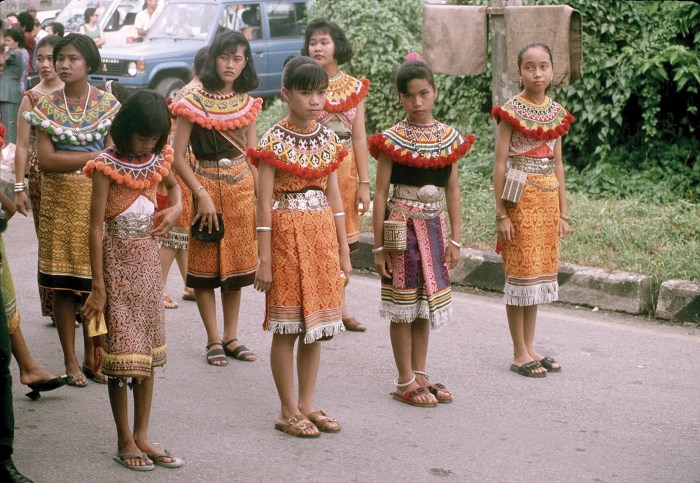
Malaysian living spaces often prioritize maximizing usable area, influencing the integration of clothes racks. Clever space planning is key to achieving both functionality and a visually appealing aesthetic. The choice of clothes rack style, its placement, and the arrangement of garments significantly impact the overall ambiance of a room.Clothes racks in Malaysian homes are not merely storage solutions; they are integral design elements.
Their careful integration reflects a blend of practicality and aesthetic sensibilities, aligning with the nation’s design ethos. Efficient organization, a key component of Malaysian practicality, is reflected in the thoughtful use of dividers and organizers on the racks. This approach translates into a visually harmonious space, avoiding clutter and promoting a sense of calm.
Integration into Living Spaces
Malaysian homes often feature multi-functional rooms. Clothes racks are strategically placed to seamlessly blend with the existing décor. For example, a freestanding rack in a bedroom doubles as a stylish display unit, showcasing folded garments or accessories. In a living room, a slim rack can neatly store guest attire or personal items, maintaining a clutter-free environment.
Arrangement of Clothes
The arrangement of garments on the racks directly affects the overall visual appeal. Folding clothes neatly and consistently creates a sense of order and elegance. Using dividers and organizers allows for the segregation of different types of garments, maximizing storage capacity and improving the visual impact. For instance, clear plastic containers can hold folded sweaters and shirts, while fabric dividers can separate blouses from skirts.
This categorization ensures quick access to desired items while maintaining a visually appealing arrangement.
Different Configurations
Various configurations for clothes racks optimize both functionality and visual impact. A simple, freestanding rack in a corner can be a statement piece, while a multi-tiered unit can effectively utilize vertical space in a smaller room. In walk-in closets, custom-built racks with adjustable shelving provide optimal organization for various clothing items, accommodating specific needs and styles. For example, a rack with multiple hanging bars can accommodate a large number of garments in a bedroom or walk-in closet, while a rack with a combination of shelves and hanging bars provides flexibility in managing various clothing types.
The modular design of some clothes racks allows for adaptability as needs evolve.
Malaysian Clothes Rack Aesthetics and Modern Trends

Malaysian clothes rack aesthetics are undergoing a fascinating evolution, reflecting a blend of traditional craftsmanship and contemporary design sensibilities. This fusion is particularly evident in the increasing incorporation of modern materials, technologies, and design trends, while still maintaining the rich cultural heritage of the nation. The contemporary designs are not merely stylistic updates, but rather a dynamic interplay of old and new, creating unique and appealing solutions for modern living spaces.Modern design trends are significantly impacting Malaysian clothes rack aesthetics, pushing beyond traditional forms and incorporating elements of minimalism, functionality, and sustainability.
This is evident in the adoption of clean lines, open structures, and integrated storage solutions, often prioritizing space optimization and visual appeal.
Influence of Modern Design Trends
Modern design trends, such as minimalism and Scandinavian aesthetics, are subtly influencing the look and feel of Malaysian clothes racks. These trends emphasize clean lines, simple forms, and a focus on functionality. This is reflected in the use of sleek metal frames, geometric shapes, and integrated storage compartments. The use of natural materials, like wood and rattan, continues to be popular, but now often appears in refined, modern interpretations, rather than solely in traditional designs.
Comparison of Traditional and Contemporary Styles
Traditional Malaysian clothes racks often feature intricate carvings, vibrant colours, and the use of natural materials like wood and rattan. Contemporary designs, while drawing inspiration from these traditions, frequently prioritize sleek lines, modern materials like metal or engineered wood, and modular designs for flexibility and adaptability to different room styles. This transition isn’t a complete departure; rather, it’s an evolution, combining elements of tradition with modern functionality.
Incorporation of New Materials and Technologies
New materials and technologies are playing an increasingly important role in contemporary Malaysian clothes rack designs. Metal, such as brushed stainless steel or powder-coated aluminum, is becoming more common for its strength, durability, and ability to create modern, streamlined structures. Engineered wood with a high gloss finish is also gaining popularity, offering a contemporary alternative to traditional wood.
Smart features, such as adjustable shelving, integrated lighting, and automated mechanisms for easier access, are also being incorporated, demonstrating the merging of functionality and aesthetic appeal.
Reinterpretation of Traditional Crafts
Traditional Malaysian crafts, such as intricate wood carvings and weaving techniques, are being reinterpreted in modern clothes rack designs. Instead of directly replicating historical designs, contemporary artisans are using these techniques to create unique and modern patterns and motifs. This might involve incorporating elements of traditional patterns into a sleek metal frame, or using hand-woven rattan in a contemporary modular design.
The aim is to maintain the cultural heritage while embracing a contemporary aesthetic. For example, a clothes rack could incorporate batik patterns into its metal framework, subtly incorporating a traditional Malaysian element into a modern design.
Impact on Home Décor
Malaysian clothes rack aesthetics, rooted in rich cultural heritage and modern design sensibilities, significantly elevate home décor. These racks, often incorporating intricate patterns and vibrant colors, act as focal points, injecting personality and visual interest into any space. Beyond mere functionality, they contribute to a unique ambiance, fostering a sense of warmth and inviting atmosphere.The aesthetic influence transcends the rack itself, subtly shaping the overall design theme of a room.
By thoughtfully integrating the rack into the existing décor, homeowners can create a cohesive and personalized space. The harmony between the rack’s design and the room’s other elements is key to maximizing its impact.
Overall Effect on Home Décor
The Malaysian clothes rack aesthetic, with its diverse range of styles, contributes a distinct visual appeal to a home. The integration of intricate carvings, vibrant textiles, and bold colors can transform a room from plain to personalized, injecting a sense of local character. This is particularly evident in rooms designed with a focus on showcasing cultural heritage, such as living rooms or bedrooms.
The presence of the rack immediately sets the tone, conveying a sense of warmth and welcoming atmosphere.
Impact on Room Atmosphere and Ambiance
The aesthetic of Malaysian clothes racks profoundly influences the atmosphere and ambiance of a room. Intricate patterns and vibrant colors evoke a sense of warmth and hospitality. The organic shapes and natural materials used in many designs contribute to a relaxed and inviting mood, particularly in living spaces or bedrooms. This is further enhanced by the use of natural light, which accentuates the colors and textures of the rack.
The overall effect is a space that feels more alive and imbued with a unique cultural charm.
Harmony with Other Room Elements
The success of incorporating a Malaysian clothes rack into a home décor scheme hinges on its harmonious integration with other room elements. Matching color palettes and complementary textures create a cohesive design. For example, a rack with warm, earthy tones might complement wooden furniture and natural fiber rugs, while a rack with bold, tropical colors could be contrasted with neutral walls and modern furnishings.
The key is to create a visual balance, allowing the rack to stand out as a focal point without overpowering the surrounding elements. By strategically placing the rack and carefully considering its surrounding elements, the clothes rack can enhance the overall appeal and character of the room.
Influence on Design Theme
Malaysian clothes rack aesthetics can be a cornerstone of the overall design theme. In spaces that embrace a traditional Malaysian theme, the rack can become a central feature, showcasing intricate carvings and patterns. In contemporary settings, a modern interpretation of the aesthetic can still convey a sense of cultural heritage. This is achieved through the thoughtful selection of materials, colors, and patterns, creating a space that is both stylish and culturally resonant.
For instance, a rack with a modern, minimalist design can still evoke the spirit of Malaysia by incorporating elements like batik patterns or traditional motifs.
Inspirational Design Ideas
Malaysian clothes racks, imbued with rich cultural heritage, offer a unique opportunity to infuse homes with character and visual appeal. These racks, often crafted with intricate patterns and vibrant colors, transcend simple storage solutions, becoming statement pieces that reflect the spirit of the region. This section delves into inspirational design ideas, showcasing practical layout options and their adaptability to diverse settings and tastes.Beyond basic functionality, Malaysian clothes racks can elevate a space.
The incorporation of these elements into modern interiors creates a harmonious blend of tradition and contemporary style. Consideration for the specific cultural context and personal preferences of the homeowner further enhances the overall aesthetic impact.
Layout Options for Different Spaces
Malaysian clothes racks can be seamlessly integrated into various spaces, from bedrooms to living areas. Their adaptability makes them ideal for both small and large rooms. Strategic placement and thoughtful design choices can maximize functionality while maintaining visual appeal.
- Bedrooms: A wall-mounted rack, showcasing vibrant textiles, can be a focal point in a bedroom. Alternatively, a free-standing rack, situated near a window, can provide a display area for cherished garments and accessories. This setup maximizes storage and displays prized possessions.
- Living Areas: In a living room, a clothes rack can act as a decorative screen, separating zones or drawing attention to a specific area. A stylish rack, with carefully selected textiles and accessories, can transform a mundane storage solution into a unique design element.
- Entryways: In entryways, a functional and visually appealing rack can provide space for coats, bags, and other essentials. The incorporation of intricate patterns and colors can make the entryway feel more welcoming and inviting. This is particularly useful in smaller spaces.
Integrating Malaysian Aesthetics into Modern Homes
Visual representation of the Malaysian clothes rack aesthetic in modern homes often involves a careful balance of traditional motifs and contemporary elements. The key is to maintain a cohesive aesthetic that reflects both cultural heritage and personal style.
- Image Example 1: A modern bedroom features a minimalist, wall-mounted clothes rack with a vibrant batik-inspired pattern. The rack is complemented by neutral-toned furniture and pops of color from carefully selected accessories, creating a harmonious blend of traditional and contemporary design.
- Image Example 2: A living room utilizes a free-standing clothes rack with intricate carvings and a deep teal color. The rack acts as a decorative divider between the seating area and the dining space. It is balanced by light-toned furniture and natural elements, such as plants.
- Image Example 3: A modern entryway showcases a low, narrow clothes rack with a woven pattern. The rack is used to display scarves, hats, and other accessories. It blends seamlessly with the overall minimalist aesthetic of the entryway. The use of warm lighting and natural materials enhances the space.
Adapting Designs to Cultural Preferences and Personal Tastes
Malaysian clothes rack aesthetics can be adapted to suit a variety of cultural preferences and personal tastes. The versatility of the design allows for personalization, enabling homeowners to express their individuality.
- Cultural Nuances: For example, a homeowner with a strong interest in Javanese culture could incorporate motifs and colors specific to that region into their clothes rack design. This personalized touch would enhance the rack’s cultural significance.
- Personal Preferences: A homeowner preferring a more minimalist approach could opt for a clean-lined clothes rack with a muted color palette. The focus would be on the rack’s structural elegance rather than elaborate ornamentation.
- Materials and Textures: Varying materials and textures, like woven rattan or painted wood, can further enhance the personalization of the clothes rack design.
Final Thoughts
In conclusion, Malaysian clothes rack aesthetics represent a harmonious fusion of traditional craftsmanship and contemporary design. The careful selection of materials, patterns, and colors, often imbued with cultural and historical significance, contributes to a unique and compelling aesthetic. Whether in a traditional home or a modern retail space, these racks serve as a visual testament to Malaysia’s rich cultural tapestry, showcasing the country’s deep-rooted traditions while embracing innovation and progress.