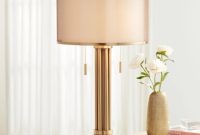
French lampshades, a timeless embodiment of elegance, transcend mere illumination. From intricate Empire designs to the Art Deco flair, each style whispers tales of a rich history. This exploration delves into the captivating world of French lampshades, revealing their diverse styles, materials, and the artistry behind their enduring appeal.
Beyond aesthetics, understanding the nuanced construction of these lampshades is crucial. The choice of silk, linen, or even metal impacts not only the look but also the functionality and longevity of the product. This analysis explores the trade-offs between materials, construction techniques, and the ultimate effect on the ambiance of a room.
Lamp Shade Styles
French lampshades, a testament to the country’s rich design heritage, showcase a captivating array of styles. From the grandeur of Empire to the elegance of Art Deco, each era’s aesthetic is meticulously reflected in the materials, colors, and embellishments used in the creation of these exquisite lampshades. This exploration delves into the historical contexts and design inspirations that have shaped these unique lampshade forms.The evolution of French lampshades mirrors the broader artistic and societal movements of their time.
Each style reflects not only the prevailing aesthetic trends but also the technological advancements and available materials of the era. These lampshades, often handcrafted, served as more than mere illumination; they were statements of status, taste, and cultural identity.
Empire Style
This style, flourishing in the early 19th century, embodies the grandeur and power of the Napoleonic era. Characterized by symmetrical forms and classical motifs, Empire lampshades often feature straight lines, sculpted profiles, and intricate detailing. Inspired by ancient Roman and Greek architecture, these lampshades often employ materials like brass or bronze, highlighting the period’s focus on rich metals.
Color palettes typically revolve around neutral tones like ivory, cream, or gold, with occasional accents of deep reds or blues. Embellishments include delicate carvings, medallions, or embossed patterns. Imagine a lampshade with a fluted column design, crafted from polished brass and accented with a golden leaf pattern, capturing the imperial aura of the era.
Art Deco Style
Emerging in the 1920s and 1930s, Art Deco lampshades epitomize the era’s geometric forms and luxurious materials. Inspired by the interplay of modernism and traditional craftsmanship, these lampshades feature streamlined silhouettes, geometric patterns, and bold colors. Materials like lacquered wood, glass, and metal, often adorned with intricate carvings or inlaid patterns, were commonly used. Color palettes are vibrant and striking, encompassing rich jewel tones like emerald green, sapphire blue, or ruby red, alongside metallic hues like gold and silver.
Think of a lampshade with a teardrop shape, crafted from polished chrome, and adorned with a stylized floral pattern, perfectly encapsulating the Art Deco spirit.
Louis XV Style
This style, prevalent during the mid-18th century, is synonymous with the opulence and refinement of the French Rococo period. Evoking a sense of grace and femininity, Louis XV lampshades often feature ornate curves, floral motifs, and delicate embellishments. Common materials include wrought iron, painted wood, and possibly even porcelain or silk. Color palettes often feature pastel shades, including soft pinks, blues, and greens, complemented by gold leaf accents and intricate carvings.
Imagine a lampshade with a cascading floral pattern, crafted from painted wood and adorned with intricate carvings, exuding the romantic and elegant atmosphere of the Louis XV era.
Comparison Table
| Style | Era | Materials | Colors |
|---|---|---|---|
| Empire | Early 19th Century | Brass, Bronze | Ivory, Cream, Gold, Deep Red, Blue |
| Art Deco | 1920s-1930s | Lacquered Wood, Glass, Metal | Emerald Green, Sapphire Blue, Ruby Red, Gold, Silver |
| Louis XV | Mid-18th Century | Wrought Iron, Painted Wood, Porcelain, Silk | Pastel Pink, Blue, Green, Gold Leaf |
Materials and Construction
French lampshades, prized for their elegance and versatility, are crafted from a range of materials, each contributing to their unique aesthetic and functional properties. Their enduring appeal stems from the careful consideration of both visual appeal and practical considerations, making them a lasting fixture in interior design. The choice of material directly influences the lampshade’s overall character, from the delicate drape of silk to the robust strength of metal.The construction methods for French lampshades vary considerably based on the chosen material.
This intricate process often involves precise cutting, meticulous sewing, and expert shaping to achieve the desired form and aesthetic. The selection of materials and techniques directly impact the final product’s durability, longevity, and visual appeal. Understanding these details is crucial for appreciating the artistry and craftsmanship that goes into creating these beautiful and functional pieces.
Common Materials
French lampshades frequently utilize silk, linen, cotton, paper, and metal. Each material presents unique challenges and opportunities for the craftsman. The inherent properties of these materials dictate the techniques employed during the construction process, impacting the final aesthetic and practicality. Understanding these differences is essential to appreciating the intricate balance between artistry and functionality.
Construction Techniques
The construction methods employed for each material differ significantly. Silk, known for its delicate nature, often requires intricate hand-sewing or specialized machine stitching to achieve the desired drape and texture. Linen, with its inherent strength, may be cut and assembled with tailored seams, while cotton, versatile and relatively affordable, can be treated with various finishes to alter its appearance and texture.
Paper lampshades, sometimes featuring intricate patterns or designs, are often assembled through a process of layering and bonding. Metal lampshades, on the other hand, typically involve precise bending, shaping, or welding to achieve the desired form and strength.
Durability and Aesthetics
The durability and aesthetic qualities of the materials vary considerably. Silk, though visually stunning, is susceptible to wrinkles and damage, requiring careful handling and maintenance. Linen, known for its durability, offers a more robust and timeless aesthetic. Cotton, while relatively affordable, can be less durable than linen or silk and may not hold its shape as well.
Paper, with its delicate nature, is best suited for less demanding applications, offering a lightweight and often decorative aesthetic. Metal lampshades, especially those made of sturdy materials like brass or steel, provide a long-lasting and often classic appearance.
Creating a French Lampshade: A Step-by-Step Process
- Select the desired material and pattern.
- Cut the material according to the chosen pattern, ensuring precise measurements.
- Apply any necessary finishes or treatments to the material, such as starching for linen or special coatings for paper.
- Assemble the lampshade sections using appropriate techniques, such as hand-sewing for silk or using a specialized sewing machine for linen.
- Shape the lampshade carefully to ensure the desired form.
- Attach the lampshade to the lamp base using appropriate fixtures and mechanisms.
Comparative Analysis of Lampshade Materials
| Material | Features | Advantages | Disadvantages |
|---|---|---|---|
| Silk | Delicate, luxurious drape, often with intricate patterns | Stunning aesthetic, luxurious feel | Prone to wrinkles, susceptible to damage, more expensive |
| Linen | Strong, durable, natural fibers | Long-lasting, timeless appeal, relatively easy to care for | Can be less visually interesting than silk, slightly more expensive than cotton |
| Cotton | Versatile, affordable, relatively easy to work with | Affordable, widely available, easy to work with | Can be less durable, may not hold its shape as well as linen or silk |
| Paper | Lightweight, decorative, often featuring patterns | Lightweight, visually striking, cost-effective | Less durable, may not be suitable for high-traffic areas |
| Metal | Strong, durable, versatile in shapes and finishes | Long-lasting, strong, customizable aesthetics | Can be heavier, potentially more expensive depending on the metal type |
Size and Dimensions
French lampshades, renowned for their elegance and artistic flair, come in a variety of sizes, each carefully calibrated to complement the light fixture and the overall aesthetic of the room. Choosing the right dimensions is crucial for achieving the desired ambiance and maximizing the light output. The interplay between the shade’s size and the room’s proportions is a key element in creating a harmonious and inviting space.Proper sizing ensures that the lampshade isn’t overpowering or dwarfed by its surroundings.
A well-chosen lampshade can transform a room, adding a touch of sophistication and visual interest. Furthermore, the size directly impacts the distribution and intensity of light within the space, influencing the overall mood and functionality.
Common Sizes and Dimensions
The size of a French lampshade is typically determined by the diameter and height of the shade. Diameter refers to the widest point of the shade, while height measures the distance from the base to the top rim. These dimensions are often tailored to the specific type of light fixture, whether it’s a table lamp, floor lamp, or chandelier.
A mismatched size can detract from the aesthetic appeal of the entire room.
Appropriate Sizes for Different Room Types
The ideal size of a lampshade varies considerably depending on the intended use of the room. A large, voluminous shade in a small bedroom would likely feel out of place, whereas a petite shade in a grand living room might appear insignificant. Conversely, a large shade in a formal dining room could add a touch of grandeur.
- In a small living room, a lampshade with a diameter of 18-24 inches and a height of 12-18 inches is generally suitable for a table lamp. This range provides sufficient illumination without overwhelming the space.
- For a large dining room, a chandelier with a larger lampshade (30-40 inches in diameter and 20-30 inches in height) can enhance the grandeur and sophistication of the space. Such a large shade will spread light effectively across the dining area.
- A bedroom often benefits from a more intimate and subdued light source. A lampshade with a diameter of 15-20 inches and a height of 10-15 inches is often ideal for a bedside table lamp, providing focused and comfortable illumination without being overpowering.
Factors to Consider When Choosing the Right Size
Several factors influence the ideal size for a lampshade, including the room’s dimensions, the height of the ceiling, and the overall design style. Furthermore, the type of light bulb used plays a role, as a larger shade is often preferred for bulbs with lower wattage.
- Room dimensions: A large room can accommodate a larger lampshade, while a small room might require a smaller, more compact option. The lampshade should not overwhelm or dwarf the room.
- Ceiling height: In rooms with high ceilings, a larger shade can be appropriate to maintain visual balance, while a smaller shade might be preferred in rooms with lower ceilings to avoid an overly cluttered appearance.
- Design style: The chosen lampshade’s size should complement the overall design style of the room. A modern, minimalist space might benefit from a sleek, contemporary shade, while a traditional setting could benefit from a more ornate and substantial shade.
- Light bulb type and wattage: The size of the lampshade should be proportional to the wattage of the bulb. A larger shade is usually preferred for lower-wattage bulbs to distribute light effectively.
Impact of Lamp Shade Size on Room Aesthetics
The size of a lampshade profoundly affects the overall look and feel of a room. A large, ornate shade can evoke a sense of grandeur and elegance, while a smaller, more subtle shade can create a feeling of intimacy and warmth.
| Lamp Shade Size (Diameter, Height) | Suitable Room Type |
|---|---|
| 15-20 inches (Diameter), 10-15 inches (Height) | Bedrooms, small living rooms, hallways |
| 20-25 inches (Diameter), 15-20 inches (Height) | Living rooms, dining rooms, offices |
| 25-30 inches (Diameter), 20-25 inches (Height) | Large living rooms, dining rooms, entryways |
| 30+ inches (Diameter), 25+ inches (Height) | Large dining rooms, grand entryways, formal living rooms, chandeliers |
Color and Pattern
French lampshades, renowned for their elegance and sophistication, often feature a harmonious interplay of color and pattern. These elements are not merely decorative; they actively shape the mood and ambiance of a space, contributing significantly to the overall aesthetic. Understanding the common color palettes and patterns used in French design provides valuable insight into creating a cohesive and inviting atmosphere.French design, with its rich history and cultural heritage, frequently incorporates color and pattern to evoke a sense of warmth, sophistication, and timeless appeal.
The use of these elements is not arbitrary; it’s deeply rooted in centuries of design traditions, often drawing inspiration from nature, art, and the surrounding environment.
Common Colors and Patterns
French lampshades frequently utilize a range of colors, drawing inspiration from natural sources and artistic movements. Soft pastels, such as blush pinks, lavender, and light blues, are prevalent, often paired with warm neutrals like cream, beige, and taupe. Deep jewel tones like emerald green, sapphire blue, and ruby red also appear, adding a touch of luxury and drama.
Floral patterns, often delicate and intricate, are a recurring motif, frequently incorporating subtle color variations and textures. Geometric patterns, particularly damasks and toile de Jouy, offer a more structured and classic appeal. These patterns often appear in subtle variations of color, maintaining the overall elegance and sophistication of the French design aesthetic.
Popular Color Palettes
Several color palettes are particularly associated with French design. A popular choice blends soft pastels with warm neutrals, creating a serene and inviting ambiance. Another palette incorporates deep jewel tones with metallic accents, conveying a sense of luxury and opulence. A third palette uses a combination of muted colors and natural tones, inspired by the French countryside, resulting in a calming and timeless aesthetic.
Impact on Mood and Ambiance
The choice of color and pattern significantly influences the mood and ambiance of a room. Soft pastels evoke a sense of serenity and tranquility, ideal for bedrooms or living rooms aiming for a relaxed atmosphere. Deep jewel tones, on the other hand, can create a dramatic and sophisticated ambiance, suitable for dining rooms or study areas where a more formal atmosphere is desired.
Floral patterns, with their delicate beauty, instill a sense of romance and warmth, perfect for spaces where a touch of femininity is desired.
Cohesive Aesthetic
Creating a cohesive aesthetic involves careful consideration of color and pattern. Choosing a dominant color palette and selecting patterns that complement it are crucial. Using varying shades and intensities of the chosen colors helps avoid a jarring effect. A harmonious blend of textures, such as the subtle sheen of silk or the rough texture of linen, can further enhance the overall aesthetic.
Color Palette Mood Associations
| Color Palette | Mood Association |
|---|---|
| Soft Pastels (e.g., blush pink, lavender, light blue) with warm neutrals (e.g., cream, beige) | Serene, tranquil, inviting |
| Deep Jewel Tones (e.g., emerald green, sapphire blue, ruby red) with metallic accents | Luxurious, sophisticated, dramatic |
| Muted Colors and Natural Tones (e.g., muted greens, browns, grays) | Calming, timeless, sophisticated |
| Floral Patterns with soft colors | Romantic, warm, feminine |
| Geometric Patterns (e.g., damask, toile de Jouy) with muted colors | Classic, structured, elegant |
Embellishments and Details

French lampshades, renowned for their elegance and sophistication, often feature intricate embellishments that elevate their aesthetic appeal. These details, carefully chosen and executed, contribute significantly to the overall ambiance of a room, reflecting the period’s design sensibilities and the owner’s personal style. The artistry embedded within these embellishments speaks volumes about the craftsmanship and value of the lampshade.
Common Embellishments
French lampshades frequently incorporate a variety of embellishments to enhance their visual appeal. Embroidery, lace, and trims are common elements, each contributing a unique texture and visual interest. These elements can range from delicate floral patterns to bold geometric designs, tailored to the specific style of the lampshade and the intended room.
Role of Embellishments
Embellishments play a crucial role in amplifying the visual appeal of French lampshades. They transform a basic lampshade into a statement piece, adding depth and character to the lighting fixture. The careful selection of materials and techniques used in embellishments directly impacts the perceived quality and artistry of the lampshade, adding a layer of luxury and sophistication to the room.
Embellishment Styles and Historical Context
The styles of embellishments on French lampshades often reflect the prevailing design trends of the period. For example, intricate floral embroidery was popular during the Rococo period, showcasing the era’s emphasis on ornate details. In contrast, the Art Nouveau movement, characterized by flowing lines and natural motifs, inspired lampshades with flowing lace and organic patterns. The styles of embellishments often reveal the era in which the lampshade was created.
Considering Embellishments for Room Style
Careful consideration of the room’s existing style is essential when selecting embellishments for a French lampshade. A formal living room might benefit from a lampshade with intricate embroidery, while a more contemporary bedroom could feature a lampshade with minimalist trims. Matching the embellishments to the overall decor creates a harmonious and cohesive aesthetic, preventing visual clashes and enhancing the overall ambiance.
Table of Embellishment Examples
| Embellishment | Material | Style | Purpose |
|---|---|---|---|
| Floral Embroidery | Silk, Cotton | Rococo, Victorian | Adds elegance and detail, reflects the period’s design sensibilities. |
| Lace | Silk, Linen | Art Nouveau, Romantic | Creates a delicate and airy texture, often with flowing patterns. |
| Beading | Glass, Metal | Baroque, Art Deco | Adds a touch of glamour and sophistication, often with symmetrical patterns. |
| Tassels and Fringe | Silk, Wool | Classic, Traditional | Provides a finishing touch, adding visual interest and texture. |
Lighting Effects
Beyond aesthetics, lampshades profoundly impact the ambiance and functionality of a space. They are more than just decorative elements; they actively shape the way light interacts with the room, affecting everything from mood to the perception of architectural details. The careful selection of a lampshade can dramatically alter the overall experience.Lamp shades manipulate light in a myriad of ways, influencing the distribution, warmth, and mood of a space.
This manipulation goes beyond mere diffusion; the choice of material, shape, and color directly impacts the quality of light emitted, impacting the entire environment.
Impact of Different Lamp Shades on Light Distribution
Lamp shades affect light distribution by either diffusing, focusing, or directing the light beam emitted by the bulb. A simple, open-weave shade will allow a broader, more diffused light, ideal for ambient lighting. Conversely, a tightly-woven or opaque shade will create a more focused beam, suitable for task lighting. The shape of the shade also plays a significant role, with conical shades directing light downwards, while cylindrical shades tend to distribute it more evenly.
This fundamental difference in distribution directly affects the illumination levels and patterns across the room.
Effect of Lamp Shades on Creating a Warm or Cool Ambiance
The color of a lampshade significantly influences the perceived warmth or coolness of the light. Warmer tones, such as amber or gold, emit a cozy and inviting ambiance, ideal for living rooms or bedrooms. Cooler tones, like white or light gray, project a more modern and crisp feel, suitable for offices or kitchens. This subtle shift in color temperature significantly impacts the mood and atmosphere of the space.
Role of Lamp Shades in Accentuating Architectural Features
Lamp shades can be strategically employed to highlight architectural details within a room. A translucent shade, for instance, can be used to subtly accentuate a vaulted ceiling or a unique fireplace mantel, casting soft shadows that draw the eye to the specific feature. Conversely, a darker shade can help to minimize the visibility of imperfections or less desirable aspects of a room.
The careful placement and selection of a lampshade can be a powerful design tool for highlighting architectural details.
Influence of Materials and Styles on Lighting Quality
The material and style of a lampshade directly impact the lighting quality. For example, a linen shade will diffuse light softly and create a warm glow, while a metal shade will reflect light more directly, potentially producing a brighter and crisper illumination. The texture of the material also contributes to the quality of light, with rougher textures creating a more diffused and softer light, whereas smoother surfaces can reflect light more intensely.
Examples of How Lamp Shades Affect the Mood of a Space
A warm, amber-colored silk shade over a table lamp in a dining room creates a welcoming and intimate atmosphere, ideal for conversation and enjoying a meal. A sleek, modern, white shade in a contemporary office enhances the sense of focus and professionalism, suitable for productivity and efficient work environments. These examples demonstrate the significant impact lampshades have on the emotional response to a space, going beyond just lighting.
Matching with Furniture
A well-chosen lampshade elevates a room’s aesthetic and functionality. Beyond the shade’s intrinsic beauty, careful consideration of its relationship with the surrounding furniture is crucial for achieving a harmonious and visually appealing interior. The right lampshade style can accentuate the furniture’s design elements, while the wrong one can disrupt the overall ambiance.Selecting lampshades that complement existing decor requires an understanding of the interplay between form, function, and color.
Consider the furniture’s style, scale, and the overall color palette already established in the space. A mismatched lampshade can quickly detract from the intended design, diminishing the room’s cohesiveness.
Furniture Style Considerations
Lamp shades should complement, not clash with, the furniture’s style. A modern sofa, for instance, will likely benefit from a contemporary lampshade, featuring clean lines and minimalist design. Conversely, a traditional, ornate dresser will be best served by a similarly detailed and ornate lampshade. This alignment of styles creates a visual harmony and reinforces the room’s aesthetic.
Selecting Lamp Shades that Complement Existing Decor
To select lampshades that perfectly complement the existing decor, assess the existing color scheme and patterns. Choose shades that echo these elements, avoiding stark contrasts that can disrupt the visual balance. A neutral color palette in the room, for example, will accommodate a wide range of lampshade colors and patterns. Conversely, a bold, patterned sofa might call for a simpler, solid-color lampshade to avoid visual clutter.
Careful consideration of scale and proportion is also vital. A large, oversized lampshade can overwhelm smaller furniture, whereas a diminutive shade might get lost against a substantial piece of furniture.
Examples of Furniture Styles and Appropriate Lamp Shade Styles
Various furniture styles demand different lampshade characteristics. For example:
- Modern Furniture: This style typically favors sleek, minimalist designs. Geometric shapes, simple lines, and neutral colors are common. Lamp shades in similar styles, featuring clean lines, and neutral or metallic tones, will work well. For example, a cylindrical shade in a muted gray or a modern, conical shade in polished nickel will create a sophisticated and streamlined look.
- Traditional Furniture: This style often incorporates ornate details, such as carvings and embellishments. Corresponding lampshades should possess similar characteristics, featuring intricate patterns, rich fabrics, or elaborate trims. Examples include lampshades crafted from linen or silk with floral patterns, or those with decorative tassels and finials.
- Rustic Furniture: This style typically features natural materials, such as wood and rattan, and often showcases a warm color palette. Lamp shades made from natural fibers, such as linen or jute, or with a distressed finish will blend harmoniously with this design. Natural shades of beige, tan, and muted greens would be appropriate choices.
- Coastal Furniture: This style often features light colors, natural materials, and a relaxed atmosphere. Lamp shades made from linen, cotton, or other light-colored fabrics, or with a breezy, natural pattern will seamlessly integrate with this aesthetic. Soft blues, creams, and whites are often seen in this style.
Impact of Color and Material on Creating a Cohesive Look
The color and material of the lampshade significantly impact the overall room’s aesthetic. A lampshade in a complementary color to the furniture will create a unified look. Similarly, the material’s texture and finish should harmonize with the furniture’s surface, avoiding jarring contrasts. For instance, a smooth, glass shade would likely clash with a rough-hewn wooden table, while a linen shade might work beautifully with a similar textured fabric sofa.
Lamp Shade and Furniture Pairings
| Furniture Style | Lamp Shade Style | Color Palette | Overall Look |
|---|---|---|---|
| Modern | Geometric, Cylinder | Neutral (gray, white, black), metallic | Sleek, minimalist, contemporary |
| Traditional | Ornate, Fabric | Rich (burgundy, emerald green, gold) | Elegant, classic, sophisticated |
| Rustic | Natural Fiber, distressed | Earthy (beige, brown, tan) | Warm, inviting, cozy |
| Coastal | Light Fabric, linen | Soft (blue, cream, white) | Relaxed, airy, breezy |
Contemporary Interpretations
French lampshades, renowned for their elegance and intricate craftsmanship, are experiencing a resurgence in contemporary design. Modern designers are reimagining these traditional forms, blending historical aesthetics with innovative materials and techniques to create captivating lighting fixtures. This evolution showcases a nuanced appreciation for the timeless appeal of French design while embracing the forward-thinking spirit of the present.Contemporary interpretations of French lampshades move beyond the traditional, adopting a fresh perspective.
This involves re-evaluating classic shapes, experimenting with new materials, and employing innovative lighting techniques. The essence of French design – a delicate balance of artistry and functionality – remains, but the execution is updated to resonate with the sensibilities of today’s aesthetic trends.
Contemporary Designs Incorporating French Elements
Contemporary designers are skillfully integrating elements of French lampshades into their creations. This fusion often involves modernizing the silhouette of the shade while retaining the elegant curves and delicate details associated with French craftsmanship. The result is a captivating blend of classic and contemporary aesthetics.
Modern Adaptations of Traditional French Designs
Modern styles adapt traditional French designs through a variety of approaches. Sometimes, designers might maintain the basic shape of a traditional French shade, but use a more minimalist palette of colors or introduce an unexpected material. In other instances, they might reinterpret the traditional silhouette with a contemporary twist, such as a more angular or asymmetrical form.
Examples of Modern Interpretations
| Style | Materials | Color | Features |
|---|---|---|---|
| Geometric French | Metal (brass, nickel), linen | Deep teal, warm gold | Sharp, angular edges; intricate woven linen details; layered metal framework; modern, minimalist aesthetic. |
| Rustic Modern French | Wicker, linen, wood | Natural beige, warm gray | Natural materials; rustic texture; subtle metallic accents; inspired by French country house style. |
| Industrial French | Metal (iron, steel), glass | Smoked gray, black | Exposed metal structure; rough-hewn, textured metal; glass diffusers for soft light; industrial-chic aesthetic. |
| Sculptural French | Resin, acrylic, painted metal | Matte black, deep rose | Fluid, organic shapes; abstract designs; use of non-traditional materials; bold color palette; modern and artistic. |
Contemporary Materials and Techniques
Contemporary interpretations leverage a wide array of materials and techniques. These might include innovative polymers for a modern aesthetic, while others utilize techniques such as 3D printing to create unique and intricate shapes. The use of natural materials, like bamboo or reclaimed wood, also contributes to a more sustainable and environmentally conscious design ethos.
Care and Maintenance
French lampshades, with their delicate artistry and often intricate designs, require careful attention to preserve their aesthetic appeal and longevity. Proper care and maintenance extend the life of these valuable decorative pieces, ensuring they remain cherished heirlooms. Ignoring these procedures can lead to premature deterioration, compromising the lampshade’s beauty and functionality.Maintaining the integrity of a French lampshade involves more than just a quick wipe-down.
It necessitates a nuanced understanding of the material’s composition and the best practices for preserving its unique characteristics. This section delves into the crucial aspects of cleaning, preventing damage, and ensuring a lampshade’s lasting beauty.
Cleaning Methods for Various Materials
Different lampshade materials require tailored cleaning methods. Applying the wrong technique can damage the material, leading to discoloration, fading, or even structural weakening. A systematic approach, based on the material’s nature, is paramount for effective upkeep.
- Fabric Lamp Shades: For delicate fabrics like silk or linen, a soft brush or a slightly damp cloth is the preferred method. Avoid harsh chemicals or excessive water, which can lead to shrinkage or damage the fibers. Professional cleaning is often recommended for intricate or heavily patterned fabrics.
- Paper or Paper-like Lamp Shades: These shades require particularly gentle handling. A soft, dry brush is ideal for removing dust and debris. Avoid using water or any cleaning solutions, as they can cause the paper to warp or become brittle.
- Glass or Crystal Lamp Shades: A gentle dusting with a soft cloth or a microfiber duster is sufficient for glass or crystal shades. For more stubborn marks, a mild glass cleaner can be used, applied sparingly with a soft cloth, ensuring no residue is left behind.
- Metal Lamp Shades: Metal shades, often crafted from brass, copper, or iron, benefit from a delicate dusting with a soft cloth. Avoid using harsh chemicals or abrasive cleaners, which can damage the metal’s finish. For more stubborn stains, a mild metal polish can be employed.
Maintaining Design Integrity
Careful handling and storage are vital for preserving the lampshade’s design. Physical stress, exposure to extreme temperatures, and improper storage can lead to damage, from slight creases to significant structural issues. The key is preventative measures.
- Handling Precautions: Avoid pulling or tugging on the lampshade, especially if it’s made of delicate materials. Use appropriate support tools when handling to prevent stress and strain on the lampshade’s delicate structure.
- Storage Recommendations: Store lampshades in a cool, dry environment, away from direct sunlight or extreme temperatures. Protect them from dust and other potential sources of damage. If possible, store them in acid-free archival boxes to prevent discoloration or damage.
Preventing Damage and Extending Lifespan
Proactive measures can significantly extend the life of a French lampshade. Routine maintenance and careful handling are crucial for preserving its beauty and functionality. Preventing damage involves mindful actions.
- Regular Inspection: Periodically inspect the lampshade for any signs of damage, such as tears, discoloration, or loose threads. Addressing issues promptly can prevent them from worsening.
- Appropriate Lighting: Avoid placing the lampshade too close to a heat source, which can cause discoloration or warp the material. Ensure the lighting source’s intensity is appropriate to the lampshade’s material and design.
- Avoiding Exposure to Humidity: Protect the lampshade from high humidity, which can cause the material to become brittle or develop mold.
Preserving Aesthetic Value
Regular maintenance is not just about functionality but also about preserving the lampshade’s aesthetic value. It ensures its beauty endures through time. Regular cleaning and proactive measures prevent the deterioration of the material and design.
| Material | Cleaning Method | Frequency | Precautions |
|---|---|---|---|
| Fabric | Soft brush or damp cloth | Monthly or as needed | Avoid harsh chemicals, excessive water |
| Paper | Soft brush | Monthly or as needed | Avoid water and cleaning solutions |
| Glass/Crystal | Soft cloth or microfiber duster | Weekly or bi-weekly | Mild glass cleaner (if needed), avoid abrasive cleaners |
| Metal | Soft cloth, mild metal polish (if needed) | Monthly or as needed | Avoid harsh chemicals, abrasive cleaners |
Sourcing and Availability

Finding the perfect French-style lampshade involves navigating a range of online and offline retailers, each offering varying price points and quality levels. The availability of intricate hand-painted details or the precise shade of linen can significantly impact the final cost. Ultimately, a thorough understanding of sourcing options empowers consumers to make informed decisions aligning with their budget and aesthetic preferences.
Online Retailers
Online marketplaces offer a vast selection of French-style lampshades, often featuring diverse styles and materials. This accessibility allows customers to compare products from numerous vendors, potentially uncovering unique designs and bespoke options. However, visual assessment of the lampshade’s quality and precise dimensions is crucial before purchase. Reviews and detailed product descriptions can be helpful, but a physical inspection is not always possible.
- Etsy and similar craft marketplaces offer a rich selection of handcrafted lampshades, often with unique designs and bespoke features. Prices vary considerably, depending on the complexity of the design and materials used. These platforms often provide insights into the artisan’s process and the individual touch of the creation, offering a more personal experience than large retailers.
- Large online retailers like Amazon and Wayfair also carry a range of French-style lampshades, but the selection may not be as specialized as niche marketplaces. Their extensive inventory can provide options for comparison, but potential buyers need to carefully evaluate the quality and authenticity claims made.
- Specialized lighting stores frequently have dedicated online sections, providing access to a curated collection of French-inspired lampshades. These retailers often focus on quality materials and craftsmanship, but the selection may be more limited than general online marketplaces.
Offline Retailers
Visiting physical stores can provide a more tangible experience, enabling customers to assess the lampshade’s texture, color, and overall quality. This direct interaction allows for personalized consultations and a better understanding of the product’s dimensions. However, the selection may be more limited than online resources, and prices may vary.
- Interior design showrooms and boutiques often feature curated collections of French-style lighting, including lampshades. These showrooms typically provide a more extensive range of options and allow for personalized consultations with designers, potentially offering bespoke solutions.
- Antique shops and vintage markets may showcase unique, antique, or vintage French lampshades. These items often carry a higher price tag reflecting their historical value and craftsmanship. Buyers must be prepared to pay a premium for these special pieces.
Cost Range and Quality Comparison
The cost of French lampshades varies significantly based on the style, material, and complexity of construction. Hand-painted linen shades with intricate designs will generally command a higher price point than simpler, mass-produced options. The pricing reflects the labor, materials, and artistic skill involved in the creation.
| Vendor Type | Typical Cost Range | Quality Considerations |
|---|---|---|
| Etsy/Craft Marketplaces | $25 – $500+ | Handcrafted, potentially unique designs; quality varies by artisan |
| Large Online Retailers | $20 – $200+ | Wider selection, but quality and craftsmanship may not be as consistently high as specialized stores |
| Interior Design Showrooms | $50 – $1000+ | Curated collection, often with high-quality materials; bespoke options available |
| Antique Shops/Vintage Markets | $100 – $1000+ | Unique, historical pieces; high price points reflect craftsmanship and age |
Reputable Retailers
Identifying reputable retailers specializing in French-style lighting involves researching vendors with positive reviews and a proven track record of high-quality products. Look for stores with established online presence, physical showrooms, and detailed product descriptions. These factors indicate a commitment to customer satisfaction and product integrity.
Room Inspiration

French lampshades, with their elegant silhouettes and diverse styles, transform rooms into captivating spaces. Beyond the aesthetic appeal, they play a crucial role in shaping the ambiance and mood of a room, often influencing the overall experience. Careful consideration of the existing room style and desired lighting effects is paramount for a harmonious integration.
Examples of Room Settings
French lampshades can adapt seamlessly to various interior styles, from traditional to contemporary. Their versatility allows for a customized lighting solution in any space. The key lies in understanding how different styles and materials interact with the overall room design.
“A grand, traditional living room benefits from a pair of ornate, crystal-accented French lampshades, enhancing the classic charm. Conversely, a minimalist bedroom can embrace a simple, geometric-patterned shade to add a touch of sophistication without overwhelming the space.”
Incorporating French Lampshades
Successful integration of French lampshades necessitates a keen understanding of the room’s existing design. For instance, a sophisticated, neutral color palette in a living room can effortlessly accommodate a variety of French lampshade styles, while a room with bolder colors might require a more subdued shade to maintain visual harmony. A well-placed lampshade can subtly influence the mood and style of the entire room.
Role of Lighting in Mood Creation
Lighting is a powerful tool for establishing the desired mood in a room. Warm, ambient lighting from a French lampshade can foster a cozy and intimate atmosphere, perfect for a reading nook or a relaxed living area. Alternatively, brighter, more focused lighting can be ideal for tasks or areas requiring enhanced visibility. The choice of lighting style directly affects the overall feeling of the room.
Considering Overall Room Style
The overarching style of the room dictates the ideal French lampshade choice. A meticulously curated, traditional room, for example, might call for an ornate, antique-style lampshade. A modern, minimalist setting, on the other hand, would benefit from a contemporary, geometric-patterned shade. The lampshade should enhance, not clash with, the existing aesthetic.
Room Setup Examples
- Traditional Living Room: A large, ornate French chandelier with multiple, elaborate lampshades in a deep, rich burgundy hue, coupled with plush velvet furnishings and antique accents, creates a warm and inviting space. The warm tones of the lighting harmonize with the deep color palette, creating a sophisticated and welcoming atmosphere.
- Modern Dining Room: A set of sleek, minimalist French lampshades with a metallic finish, perhaps gold or brass, mounted above a contemporary dining table, enhances the modern aesthetic. The clean lines and metallic accents complement the modern furnishings, creating a stylish and sophisticated dining experience. The focused lighting from the shades provides ample illumination for conversation and enjoying meals.
- Rustic Bedroom: A French lampshade crafted from natural materials like rattan or woven wood, with a soft, warm-toned shade, enhances the cozy and inviting atmosphere of a rustic bedroom. The natural tones and textures of the lampshade complement the warm wooden accents, providing a soothing and calming ambiance.
Outcome Summary
In conclusion, French lampshades offer a captivating blend of history, craftsmanship, and contemporary appeal. Understanding the various styles, materials, and sizing considerations empowers one to curate a space that resonates with both timeless elegance and modern sensibilities. Ultimately, selecting the perfect French lampshade is a journey of discovery, merging aesthetic appreciation with practical considerations.