
Maintaining a pristine fruit bowl is crucial for both aesthetics and hygiene. From delicate ceramic creations to sturdy wooden vessels, this guide offers a comprehensive approach to cleaning various fruit bowl types. Proper pre-cleaning, effective cleaning solutions, and specialized techniques are detailed, ensuring a spotless and safe environment for your fresh produce.
This comprehensive guide explores the intricacies of fruit bowl care, from material-specific cleaning methods to preventing future issues. It provides actionable steps, including a breakdown of pre-cleaning procedures, cleaning solutions, and effective drying techniques to keep your fruit bowl looking its best.
Fruit Bowl Types
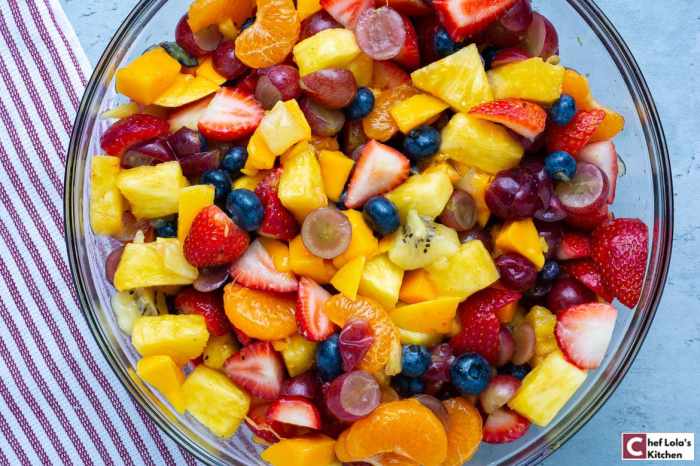
Choosing the right fruit bowl isn’t just about aesthetics; it significantly impacts the ease and thoroughness of cleaning. Different materials offer varying levels of durability, aesthetic appeal, and maintenance requirements. Understanding these differences empowers consumers to select a bowl that aligns with their needs and lifestyle.Material selection for fruit bowls often hinges on a combination of practical considerations and personal preferences.
The desired lifespan, the frequency of use, and the overall aesthetic of the kitchen space all play a role in the final decision. Factors such as the material’s ability to resist stains and odors, as well as its resistance to potential impacts, further refine the selection process.
Material Properties and Cleaning Ease
Different materials offer unique advantages and disadvantages in terms of cleaning. Ceramic, glass, metal, and wood each present a distinct set of characteristics that affect maintenance. Understanding these differences is crucial for selecting the right bowl for your needs.
Ceramic Fruit Bowls
Ceramic fruit bowls are popular for their durability and attractive designs. They are generally easy to clean, but the porous nature of some types can make them susceptible to stains if not properly maintained. Hand-washing is usually sufficient, but a gentle scrub with a mild dish soap and a soft sponge is recommended to avoid scratching the surface.
Glass Fruit Bowls
Glass fruit bowls are known for their transparency and elegant appearance. Their smooth surface makes them relatively easy to clean, requiring only a mild detergent and warm water. Glass bowls are generally more susceptible to breakage than ceramic or metal bowls, so care should be taken when handling them. Dishwasher-safe options are available, although hand-washing is often preferred for preserving the bowl’s aesthetic appeal.
Metal Fruit Bowls
Metal fruit bowls, often made from stainless steel or copper, offer a contemporary or classic look. Their smooth surfaces make them relatively easy to clean, but certain metals can react to acidic fruits, potentially leading to discoloration. Cleaning with a mild detergent and warm water is generally sufficient, although specialized cleaning solutions might be necessary for certain metals to prevent tarnishing.
Wooden Fruit Bowls
Wooden fruit bowls, often made from hardwoods like acacia or bamboo, bring a natural, rustic appeal to the kitchen. Their porous nature requires careful cleaning to avoid absorbing odors and moisture. Hand-washing with a mild detergent and a soft sponge is recommended. Avoid soaking wooden bowls, as this can cause warping or damage. Thorough drying is essential to prevent the growth of mold or mildew.
Comparative Analysis of Fruit Bowl Types
| Material | Durability | Aesthetic Appeal | Cleaning Methods |
|---|---|---|---|
| Ceramic | High | Varied | Hand-washing with mild detergent; avoid harsh abrasives |
| Glass | Medium | Elegant | Hand-washing or dishwasher-safe; avoid harsh scrubbing |
| Metal | High (stainless steel); Medium (copper) | Contemporary or classic | Hand-washing with mild detergent; consider specialized cleaners for copper |
| Wood | Medium | Rustic or natural | Hand-washing with mild detergent; avoid soaking; thorough drying |
Pre-Cleaning Steps
A pristine fruit bowl, showcasing vibrant produce, requires more than just a quick rinse. Thorough pre-cleaning, removing stubborn debris and food particles, is crucial for maintaining hygiene and extending the lifespan of your fruit bowl. Ignoring this step can lead to a breeding ground for bacteria, potentially compromising the quality and safety of the fruit.Pre-cleaning ensures a more effective wash, preventing lingering residue from hindering the sanitization process.
By removing the bulk of the debris before washing, you drastically reduce the time and effort required for a proper clean. This proactive approach saves time and ensures the bowl is consistently sanitary, which is essential for preserving the freshness and taste of your fruits.
Debris Removal
Before embarking on the washing process, meticulously remove any visible debris from the fruit bowl. This initial step prevents the accumulation of dirt and grime, which can contaminate the fruit during the wash. This also prevents clogging of the drain and prolongs the lifespan of your fruit bowl. It involves a careful inspection and the removal of obvious foreign objects, such as bits of fruit, seeds, or any other lingering particles.
Step-by-Step Pre-Cleaning Procedure
This structured approach ensures a thorough and efficient pre-cleaning process.
| Step | Action | Description |
|---|---|---|
| 1 | Visual Inspection | Carefully examine the bowl for any visible debris, including fruit pieces, seeds, or other foreign objects. |
| 2 | Removal of Visible Debris | Use a spoon, spatula, or your fingers to gently remove any noticeable pieces of fruit, seeds, or other foreign objects. Avoid using harsh tools that could damage the bowl’s surface. |
| 3 | Scrape Soft Particles | If the bowl has a non-porous surface, use a soft-bristled brush or a non-abrasive sponge to gently scrape away any remaining soft food particles that might have adhered to the surface. |
| 4 | Emptying Bowl Contents | If the bowl contains significant amounts of fruit pieces or debris, it’s advisable to empty the contents into a waste receptacle. This will prevent a buildup of debris in the bowl during the cleaning process. |
| 5 | Wipe Down | Use a damp cloth or paper towel to wipe down any remaining surfaces. This will remove any lingering particles and prepare the bowl for the washing process. |
Cleaning Solutions
Choosing the right cleaning solution for your fruit bowl is crucial for both hygiene and the longevity of your bowl. Effective cleaning prevents the buildup of bacteria and unpleasant odors, ensuring a safe and pleasant experience when consuming fresh produce. Different materials respond differently to various cleaning agents, impacting the bowl’s integrity and aesthetic appeal. The correct approach yields a clean and healthy fruit bowl, ready for your next harvest of fresh fruit.Selecting the appropriate cleaning solution depends on the material of your fruit bowl.
Certain materials are more susceptible to damage from harsh chemicals, while others require specific treatments to maintain their luster and prevent deterioration. A tailored approach ensures a safe and effective cleaning process, safeguarding the bowl’s condition and maximizing its lifespan.
Common Cleaning Solutions
Several commercially available cleaning solutions are designed for general kitchen use, but not all are suitable for fruit bowls. Choosing a cleaning agent depends on the bowl’s material and the level of cleaning required. Understanding the composition of these solutions and their effects on different materials is crucial for proper maintenance.
- Dish Soap: A mild dish soap is often a safe and effective choice for most fruit bowl materials, especially plastic and ceramic. The gentle action of dish soap is sufficient to remove food particles and surface grime without harming the bowl’s finish. However, avoid using overly harsh or abrasive dish soaps, as they may scratch delicate surfaces or leave residue.
- Baking Soda Paste: A paste of baking soda and water can effectively tackle tough stains and grime. The abrasive nature of baking soda can remove stubborn food particles, but it should be used with caution on delicate surfaces to prevent scratching.
- White Vinegar: White vinegar is a versatile cleaning agent that can be used for various kitchen surfaces, including fruit bowls. Its acidic properties help break down food residue and eliminate odors. For particularly stubborn stains, a vinegar solution can be left to soak for a short period.
- Bleach: Bleach is a powerful disinfectant that can be used for cleaning fruit bowls, but it should be used cautiously and only on materials specifically designed to withstand its corrosive effects. Improper use can damage the bowl’s finish or release harmful fumes. Bleach should never be mixed with other cleaning agents, especially vinegar, as this can produce dangerous chemical reactions.
Homemade Cleaning Solution
Creating a homemade cleaning solution offers an eco-friendly alternative to commercial products. Using natural ingredients ensures safety and avoids potential exposure to harsh chemicals. The specific ingredients should be selected based on the bowl’s material to prevent damage.
- Ingredients: A combination of warm water, mild dish soap, and a few drops of essential oil (like lemon or tea tree) can make a safe and effective cleaning solution. The essential oils add a pleasant scent and contribute to a fresh-smelling bowl. The dish soap acts as a surfactant, aiding in the removal of food particles.
- Preparation: Mix the ingredients in a bowl and gently scrub the fruit bowl with a soft sponge or cloth. Ensure the mixture is not too abrasive to avoid scratching the bowl’s surface. The solution should be made fresh each time to maintain its potency and safety.
- Safety Precautions: Always test the cleaning solution on an inconspicuous area of the fruit bowl before applying it to the entire surface. This prevents unexpected damage or discoloration. Ensure proper ventilation when using the solution, especially if using bleach or strong cleaning agents. Follow all safety guidelines to avoid accidents or adverse reactions.
Material-Specific Cleaning
Different materials require specific cleaning solutions to maintain their integrity and appearance. This approach avoids damaging the bowl and ensures optimal cleanliness.
| Material | Recommended Cleaning Solution | Additional Notes |
|---|---|---|
| Glass | Mild dish soap and warm water | Avoid abrasive cleaners or scouring pads. |
| Ceramic | Mild dish soap and warm water | Baking soda paste can be used for stubborn stains. |
| Plastic | Mild dish soap and warm water | Avoid harsh chemicals that may damage the plastic. |
| Stainless Steel | Mild dish soap and warm water | A gentle scrub may be necessary to remove food residue. |
Cleaning Techniques
Maintaining a pristine fruit bowl is crucial for both aesthetic appeal and food safety. Proper cleaning techniques ensure the longevity of the bowl and prevent the proliferation of harmful bacteria. The chosen method must align with the bowl’s material to avoid damage and maintain its structural integrity.
Cleaning Techniques for Various Fruit Bowl Types
Different materials require different approaches to cleaning. Ceramic, glass, stainless steel, and wooden fruit bowls each necessitate unique techniques to prevent scratching, discoloration, or damage. Understanding these distinctions is paramount for effective and safe cleaning.
Cleaning with a Soft Brush or Sponge
A soft brush or sponge is ideal for gently scrubbing the bowl’s interior and exterior. This approach is particularly suitable for ceramic and glass bowls. Avoid abrasive materials, as they can scratch the surface. For example, a nylon-bristled brush is gentler than a wire brush. Gently scrub the bowl in circular motions, ensuring all surfaces are thoroughly cleaned.
Cleaning Hard-to-Reach Areas
Hard-to-reach areas, such as crevices or the base of the bowl, can harbor residue and bacteria. Using a small, pointed cleaning tool, like a toothpick or a small scrubbing brush, is essential for reaching these spots. This approach is particularly effective for bowls with intricate designs or deep curves. For instance, a small, soft-bristled brush can effectively clean the corners of a ceramic bowl.
Cleaning Techniques by Material
| Material | Cleaning Technique |
|---|---|
| Ceramic | Use a soft brush or sponge with warm soapy water. Rinse thoroughly and dry completely. Avoid harsh chemicals or abrasive cleaners. |
| Glass | Similar to ceramic, but can tolerate slightly hotter water. Use a soft sponge or cloth with warm soapy water. Rinse and dry immediately to prevent water spots. |
| Stainless Steel | Use a soft sponge or cloth with warm soapy water. A mild dish soap is recommended. Rinse thoroughly and dry completely. |
| Wood | Use a soft cloth or sponge with warm soapy water. Avoid soaking the bowl. Dry completely and apply a food-safe oil or sealant to prevent water damage and maintain the wood’s integrity. A damp cloth should be used for cleaning and wiping up any excess water. |
Washing s
Proper washing is crucial for maintaining the hygiene and longevity of your fruit bowl. Neglecting this step can lead to the growth of harmful bacteria and mold, rendering the bowl unusable and potentially impacting food safety. This section delves into the optimal water temperature, thorough rinsing techniques, and the critical role of drying in preventing contamination.Washing a fruit bowl involves more than just a quick rinse.
A thorough cleaning process, including proper water temperature and meticulous rinsing, is essential to remove food particles, bacteria, and residues that could lead to the growth of mold and mildew. Drying the bowl completely afterward prevents the breeding ground for these microorganisms.
Optimal Water Temperature
The ideal water temperature for washing fruit bowls is lukewarm. Boiling water might damage delicate materials, while extremely cold water might not effectively remove food particles. Warm water effectively dislodges food particles and suspends bacteria and residues without causing damage.
Thorough Washing Steps
A thorough wash involves several steps to ensure complete cleanliness. First, remove all fruit and debris from the bowl. Next, fill the bowl with lukewarm water and add a mild dish soap or a specialized fruit bowl cleaner (if available). Gently scrub all surfaces of the bowl using a non-abrasive sponge or brush. Pay special attention to crevices and corners, as these areas can harbor bacteria.
Finally, rinse the bowl thoroughly under running water to eliminate all traces of soap.
Importance of Rinsing and Drying
Proper rinsing and drying are vital to prevent the growth of mold and mildew. Incomplete rinsing leaves behind food particles and soap residue, creating a favorable environment for microbial growth. A thorough rinse ensures that all traces of cleaning solution and food particles are removed. Subsequently, thoroughly drying the bowl with a clean cloth or paper towel prevents moisture from remaining on the surface, which can foster mold and mildew growth.
Washing Schedule for Different Fruit Bowl Types
| Fruit Bowl Type | Water Temperature | Washing Duration (minutes) | Drying Duration (minutes) |
|---|---|---|---|
| Glass | Lukewarm | 3-5 | 2-3 |
| Ceramic | Lukewarm | 3-5 | 2-3 |
| Stainless Steel | Lukewarm | 2-3 | 1-2 |
| Wooden | Lukewarm | 2-3 | 2-3 |
The table above provides a general guideline for washing different fruit bowl materials. Adjust the duration based on the specific bowl and the amount of food residue present. For heavily soiled bowls, a slightly longer washing duration might be necessary.
Drying and Storage

Proper drying and storage are crucial steps in maintaining a clean and functional fruit bowl. Neglecting these steps can lead to the growth of bacteria and mold, impacting both the hygiene and aesthetic appeal of the bowl. A well-maintained fruit bowl ensures that fruits retain their freshness and appeal longer.
Importance of Proper Drying
Thorough drying is paramount to preventing the growth of mold and bacteria. Moisture trapped within the bowl’s crevices provides an ideal environment for microbial proliferation, potentially leading to spoilage and unpleasant odors. This proactive measure protects the fruit and the bowl itself from damage.
Methods for Drying Fruit Bowls
Several methods can effectively dry fruit bowls, each with varying degrees of efficiency and convenience. A thorough drying ensures the bowl is ready for the next use, minimizing the risk of contamination.
- Air Drying: Allowing the bowl to air dry completely is a simple and often sufficient method. This approach works best for bowls with minimal crevices and for those that are not excessively soiled. The bowl should be placed in a well-ventilated area, ideally away from direct sunlight or heat sources. Air drying takes time, so it’s important to factor this into the cleaning schedule.
- Towel Drying: Using a clean, soft cloth or towel to absorb excess moisture is a quicker alternative to air drying. Carefully wipe down the interior and exterior surfaces, paying particular attention to crevices and corners where moisture tends to linger. A soft cloth prevents scratching or damage to the bowl’s surface. After towel drying, ensure the bowl is completely free of any moisture before storage.
Storage for Maintaining Cleanliness
Proper storage practices are essential for preserving the bowl’s cleanliness and longevity. Storing the bowl in a clean and dry environment prevents the buildup of dust and debris, which can contribute to contamination.
- Placement: Store the fruit bowl in a cool, dry place, away from direct sunlight and extreme temperatures. These conditions prevent the bowl from cracking or warping. Consider using a cabinet or countertop space with adequate ventilation.
- Prevention of Water Damage: Avoid placing the fruit bowl in areas prone to water spills or leaks. Ensure the storage location is stable and not susceptible to moisture build-up. Inspect the bowl regularly for signs of water damage or discoloration. Storing the bowl on a stable surface prevents it from tipping over and causing spills.
Visual Guide: Drying and Storing Fruit Bowls
To illustrate proper drying and storage practices, imagine a fruit bowl placed on a countertop with good ventilation. The bowl, after being cleaned, is placed on a clean, dry towel or cloth to absorb any remaining moisture. A second clean towel is then used to wipe down the bowl’s exterior. The bowl is then stored in a clean, dry cabinet or on a countertop away from moisture sources, such as a dishwasher or water spouts.
This arrangement protects the bowl from potential water damage.
Dealing with Stains
Fruit bowls, a staple in kitchens worldwide, are susceptible to various stains, often caused by the very fruits and beverages they are designed to hold. These stains, ranging from subtle discoloration to stubborn marks, can detract from the bowl’s aesthetic appeal and, in some cases, compromise hygiene. Understanding the causes and implementing effective cleaning strategies are crucial for maintaining a pristine fruit bowl.Identifying the source of a stain is the first step in successful removal.
Fruit juices, wine spills, or even dried remnants of food can leave behind persistent marks. Moreover, the type of fruit itself can contribute to staining. Berries, for example, can easily stain surfaces with their pigments. Proper cleaning techniques, tailored to the specific stain, are essential to restore the bowl’s original condition.
Common Fruit Bowl Stains and Solutions
Addressing stains promptly minimizes the risk of permanent damage and makes the cleaning process significantly easier. A proactive approach is often more effective than attempting to tackle deeply embedded stains. The following table Artikels various stains and their corresponding cleaning solutions. Detailed instructions are provided to ensure successful removal.
| Stain | Cause | Cleaning Solution | Detailed Instructions |
|---|---|---|---|
| Fruit Juice (e.g., berries, citrus) | Natural pigments from fruits | Warm water, dish soap, and a soft brush | Mix warm water and a mild dish soap. Gently scrub the stained area with a soft-bristled brush, ensuring not to damage the bowl’s surface. Rinse thoroughly with clean water. For stubborn stains, a mixture of baking soda and water can be applied for a few minutes before rinsing. |
| Wine | Alcohol-based liquid | White vinegar and water solution | Mix equal parts white vinegar and water. Apply the solution to the stained area, let it sit for a few minutes, and then gently scrub with a soft brush. Rinse thoroughly and dry completely to prevent water spots. |
| Coffee/Tea Stains | Dissolved tannins | Lemon juice or a paste of baking soda and water | For coffee or tea stains, try a diluted solution of lemon juice. Alternatively, a paste of baking soda and water can be applied and left to sit for a few minutes before scrubbing gently and rinsing. For particularly stubborn stains, a mixture of dish soap and warm water might be required. |
| Dried Food Particles | Food remnants stuck to the surface | Warm soapy water and a soft brush | Combine warm water with a few drops of dish soap. Gently scrub the stained area with a soft brush. Ensure to remove all particles. Rinse and dry thoroughly. |
Stubborn Stain Removal
Sometimes, standard cleaning methods may not suffice for particularly stubborn stains. In these cases, specialized cleaning products might be necessary. Commercial stain removers, specifically formulated for various surfaces, can provide an extra layer of assistance in tackling tough marks. Always follow the product instructions carefully to avoid damaging the fruit bowl’s material.Furthermore, consider the material of the fruit bowl when choosing a cleaning solution.
Certain materials, like glass or ceramic, might be more susceptible to damage from harsh chemicals. Always prioritize gentle cleaning methods whenever possible.
Preventing Future Issues
Maintaining a pristine fruit bowl goes beyond the initial cleaning; it requires proactive measures to prevent future problems. Regular upkeep is key to avoiding the buildup of bacteria and unpleasant odors, ensuring a consistently appealing and hygienic display of fresh produce. Consistent attention to detail and adherence to simple preventative measures will ensure the longevity of the bowl’s freshness and your family’s health.Proactive cleaning and storage strategies can dramatically reduce the need for deep cleans, minimizing time and effort while maximizing the aesthetic and sanitary appeal of the fruit bowl.
This proactive approach not only keeps the bowl looking its best but also promotes the longevity of the fruit itself, ensuring it remains at its peak quality and flavor for longer.
Regular Cleaning Schedules
Establishing a regular cleaning schedule is crucial for preventing fruit bowl buildup. This schedule should be tailored to the frequency of fruit consumption and the type of fruit being stored. For instance, a bowl used daily for a family with a high fruit intake may require daily or twice-daily wiping down. Conversely, a bowl used less frequently might only need a weekly deep clean.
The goal is to prevent the accumulation of organic matter, which harbors bacteria and leads to odor.
Proactive Fruit Handling
The way fruit is handled before entering the bowl significantly impacts the bowl’s cleanliness. Washing fruit thoroughly before placing it in the bowl is paramount. This simple step removes dirt, pesticides, and other contaminants that can accelerate the growth of bacteria. Using clean utensils for handling and placing fruit within the bowl further prevents cross-contamination. This meticulous approach ensures a healthier environment for the fruit and the bowl itself.
Proper Storage Practices
Proper storage practices extend the shelf life of fruit while maintaining the cleanliness of the bowl. Storing fruit that is starting to decompose or soften in separate containers helps prevent the spread of spoilage. Avoiding overcrowding the bowl with fruit helps maintain proper airflow, which inhibits the growth of mold and bacteria. This thoughtful approach ensures the freshness of the fruit and prevents the bowl from becoming a breeding ground for bacteria.
Environmental Considerations
The environment surrounding the fruit bowl can also influence its cleanliness. Keeping the area around the fruit bowl clean and free of crumbs or spills is essential. This preventative measure ensures the fruit bowl remains a clean space. Regularly wiping down the surface around the bowl and keeping the surrounding area free from dust or debris prevents contamination and enhances the overall hygiene of the area.
Choosing the Right Bowl
Selecting a fruit bowl with proper material and design is essential for maintaining cleanliness. Materials like stainless steel or glass are more easily cleaned and less prone to harboring bacteria than porous materials. A bowl with a shallow design facilitates easier cleaning and prevents fruit from becoming trapped in crevices, where bacteria can grow. These choices create a more hygienic and convenient fruit-displaying environment.
Specialized Cleaning for Fruit Bowls
Beyond the basics of fruit bowl cleaning, the unique design of certain bowls necessitates specialized techniques. Different shapes, features, and materials demand tailored approaches to maintain their aesthetic appeal and prolong their lifespan. Understanding these nuances ensures a thorough clean without compromising the bowl’s integrity.Intricate designs, multiple compartments, and unique materials present specific challenges during the cleaning process.
Each aspect requires a meticulous strategy, from avoiding harsh scrubbing to selecting the appropriate cleaning agents. This section details effective cleaning procedures for various fruit bowl types, enabling users to maintain their bowls in pristine condition.
Cleaning Bowls with Intricate Carvings or Embedded Designs
Intricate carvings and embedded designs can trap food particles and grime. A gentle approach is crucial to prevent damage to the delicate features. Using a soft-bristled brush or a non-abrasive sponge, combined with warm soapy water, is recommended. Avoid using harsh chemicals or abrasive cleaners that could scratch the surface. For stubborn stains, a mixture of baking soda and warm water can be effective.
Always test the cleaning solution on an inconspicuous area first to ensure no discoloration or damage occurs.
Cleaning Bowls with Multiple Compartments or Sections
Fruit bowls with multiple compartments or sections present a unique cleaning challenge. The separate compartments can hold different types of fruit or other items, demanding specific attention to prevent cross-contamination. A separate cleaning solution for each compartment can effectively address potential cross-contamination. For optimal hygiene, ensure all compartments are thoroughly rinsed and dried before reuse.
Specialized Cleaning Techniques Table
| Fruit Bowl Feature | Cleaning Technique | Important Considerations |
|---|---|---|
| Intricate Carvings/Embedded Designs | Use a soft-bristled brush or non-abrasive sponge with warm soapy water. Test cleaning solution on an inconspicuous area first. | Avoid harsh chemicals or abrasive cleaners. Employ a gentle approach to prevent damage to the intricate features. |
| Multiple Compartments/Sections | Clean each compartment separately using a mild cleaning solution. Thoroughly rinse and dry each compartment before reusing. | Ensure proper rinsing to avoid cross-contamination between compartments. Maintain separate cleaning solutions for each compartment if necessary. |
| Ceramic/Porcelain | Use warm soapy water and a soft sponge or cloth. Avoid harsh scrubbing. | Refrain from using abrasive cleaners to prevent scratching the surface. |
| Glass | Use warm soapy water and a soft sponge or cloth. Rinse thoroughly. | Ensure all residues are removed to prevent water spots. |
| Wooden | Use warm soapy water and a soft cloth. Dry thoroughly. Consider using a wood-specific cleaner if necessary. | Avoid excessive moisture to prevent warping or damage to the wood. |
Ultimate Conclusion
From choosing the right cleaning solution to tackling stubborn stains, this comprehensive guide provides a systematic approach to keeping your fruit bowl clean and inviting. By understanding the nuances of different materials and employing the correct techniques, you can ensure your fruit bowl remains a beautiful and hygienic centerpiece for your fruit and produce. The guide also offers proactive steps to maintain cleanliness and prevent future issues, empowering you to keep your fruit bowl in pristine condition.
