
Inspirational quotes art transcends mere words, transforming motivational messages into powerful visual narratives. From timeless masterpieces to contemporary digital creations, this exploration delves into the diverse world of inspirational art, examining its styles, artists, and the profound impact it has on our well-being.
This guide will delve into the core elements of inspirational art, from the historical evolution of styles to modern interpretations. We’ll analyze the techniques used by artists, explore the impact of color palettes and symbolism, and ultimately, understand how these pieces can inspire and uplift.
Inspirational Art Styles
Art, in its myriad forms, possesses a remarkable ability to evoke emotion and inspire contemplation. Beyond mere aesthetics, certain styles have consistently resonated with viewers, sparking feelings of hope, resilience, and profound connection. This exploration delves into five distinct art styles known for their inspirational qualities.
Art Styles and Inspirational Qualities
Inspirational art transcends mere visual representation; it taps into fundamental human desires for beauty, meaning, and connection. The styles chosen below showcase diverse approaches to achieving this profound impact.
| Style Name | Description | Key Inspirational Elements |
|---|---|---|
| Romanticism | Characterized by a focus on emotion, individualism, and the sublime aspects of nature. Often features dramatic landscapes, heroic figures, and passionate subjects. | Evokes feelings of awe, wonder, and the potential for human greatness. Emphasizes the power of nature and the human spirit. |
| Abstract Expressionism | Known for its spontaneous and energetic brushstrokes, often employing vibrant colors and non-representational forms. | Sparks introspection and encourages the viewer to interpret the artwork in their own way. The expressive nature of the style conveys a sense of freedom and uninhibited creativity. |
| Surrealism | A style that combines dreamlike imagery, unexpected juxtapositions, and often illogical elements to explore the subconscious mind. | Prompts contemplation about the nature of reality, the power of imagination, and the potential for unexpected connections. The unconventional nature of the art encourages a sense of wonder. |
| Realism | A style that portrays subjects as they appear in reality, focusing on accuracy and detail. | Conveys a sense of truth, authenticity, and the universality of human experience. The focus on everyday life can inspire empathy and understanding. |
| Pop Art | An art movement that draws inspiration from popular culture, often using bold colors, imagery from mass media, and everyday objects. | Can inspire reflection on contemporary society and culture, celebrating the power of popular imagery and highlighting aspects of everyday life. It can be both thought-provoking and playful, prompting a sense of optimism and cultural awareness. |
Emotional Impact of Inspirational Art Styles
The emotional impact of these styles varies considerably. Romanticism evokes awe and wonder, often associated with feelings of grandeur and the sublime. Abstract Expressionism, through its spontaneous nature, encourages personal interpretation and fosters feelings of freedom and introspection. Surrealism, with its dreamlike qualities, promotes contemplation and exploration of the subconscious. Realism connects viewers to everyday life and fosters empathy, while Pop Art encourages reflection on modern society, promoting a sense of cultural awareness and optimism.
Famous Inspirational Artists
Beyond mere aesthetics, art often serves as a powerful conduit for conveying profound messages and inspiring introspection. The works of influential artists resonate with audiences across generations, prompting contemplation and igniting a desire for change. These artists, deeply rooted in their experiences, translate their personal journeys into enduring visual narratives.The following exploration delves into the lives and artistic expressions of three such figures, highlighting the themes and messages embedded within their creations, and how their personal experiences shaped their unique artistic voices.
Biographies of Influential Artists
These artists, each with distinct backgrounds and motivations, have left an indelible mark on the art world, inspiring countless individuals through their powerful imagery and narratives.
- Vincent van Gogh, a Dutch Post-Impressionist painter, was born in 1853. His struggles with mental health, documented through his letters, are evident in the intensity and emotionality of his brushstrokes. His life was marked by periods of intense creativity and profound despair, often fueled by social isolation and financial hardship. Van Gogh’s passion for capturing the essence of nature, and his personal struggles, transformed his canvases into powerful expressions of the human condition.
- Frida Kahlo, a Mexican painter, born in 1907, was a prominent figure in the Mexican muralist movement. Her work often reflects her physical and emotional pain, stemming from a debilitating bus accident that left her with chronic pain and psychological trauma. Her self-portraits, often raw and emotionally charged, explore themes of identity, resilience, and the human spirit’s ability to overcome adversity.
The bold colors and dynamic compositions in her paintings offer a glimpse into her complex inner world.
- Pablo Picasso, a Spanish painter, sculptor, printmaker, ceramicist, and stage designer, born in 1881, revolutionized 20th-century art. His early work, influenced by Cubism, displayed a departure from traditional representation, focusing on the fragmentation and reconstruction of forms. Picasso’s artistic evolution mirrored the societal and political transformations of his time, encompassing a wide range of styles and subject matter, reflecting his ongoing engagement with the world around him.
Themes and Messages in Their Artworks
The artists’ works convey a multitude of themes. Van Gogh’s work often explores themes of emotional turmoil, the beauty of nature, and the human condition. Kahlo’s self-portraits delve into the intricacies of identity, resilience, and the enduring power of the human spirit. Picasso’s work reflects the dynamism and transformation of the 20th century, tackling themes of fragmentation, reconstruction, and the human experience.
Impact of Personal Experiences
The artists’ personal experiences significantly shaped their artistic expressions. Van Gogh’s mental health struggles are evident in the emotional intensity of his paintings. Kahlo’s physical and emotional pain, resulting from her accident, deeply informed her self-portraits and the broader themes of her work. Picasso’s engagement with the political and societal upheavals of his time is reflected in the evolution of his artistic style.
Summary Table
| Artist | Key Works | Inspiration Summary |
|---|---|---|
| Vincent van Gogh | The Starry Night, Sunflowers, The Potato Eaters | Depicted emotional turmoil, the beauty of nature, and the human condition, influenced by his mental health struggles and profound experiences. |
| Frida Kahlo | The Two Fridas, Self-Portrait with Thorn Necklace and Hummingbird, The Broken Column | Explored identity, resilience, and the human spirit’s ability to overcome adversity, stemming from her personal experiences and trauma. |
| Pablo Picasso | Guernica, Les Demoiselles d’Avignon, The Weeping Woman | Reflected the dynamism and transformation of the 20th century, embodying themes of fragmentation, reconstruction, and the human experience, shaped by his engagement with the world around him. |
Visual Elements of Inspirational Art
Inspirational art transcends mere aesthetics; it wields powerful visual language to evoke feelings of hope, motivation, and profound meaning. The skillful interplay of colors, composition, and symbolism crafts an emotional experience for the viewer, connecting them to the artist’s intent. Understanding these visual elements unveils the underlying narrative and the artist’s deliberate choices to inspire.Color palettes, meticulously chosen, aren’t merely decorative; they play a pivotal role in shaping the emotional response.
The evocative power of color has been recognized across cultures and throughout history, impacting perception and sentiment. A bold, vibrant palette can signify energy and joy, while muted tones can suggest serenity and introspection. This intentional selection of hues profoundly affects the viewer’s emotional journey through the artwork.
Color Palettes and Emotional Impact
Color palettes in inspirational art are not arbitrary choices; they are carefully selected to evoke specific emotions. Warm colors like red, orange, and yellow often convey feelings of passion, excitement, and energy, while cool colors like blue, green, and purple suggest calmness, serenity, and introspection. The saturation and intensity of colors further amplify their emotional effect; a bright, saturated red evokes stronger feelings of passion than a muted, desaturated one.
Artists frequently employ complementary or analogous color schemes to create harmonious or contrasting moods. For instance, a painting depicting a sunrise might utilize warm, vibrant hues to convey a sense of optimism and new beginnings, while a portrait of a melancholic figure might use muted tones to reflect the subject’s emotional state.
Compositional Techniques and Meaning
Compositional techniques are critical in conveying the intended message and impact of inspirational art. The arrangement of elements within the artwork—whether figures, objects, or landscapes—carefully guides the viewer’s eye, drawing attention to specific areas and creating a sense of balance or tension. A symmetrical composition might suggest harmony and order, while an asymmetrical one could evoke dynamism and a sense of movement.
The placement of focal points, the use of leading lines, and the interplay of positive and negative space all contribute to the overall visual narrative. A powerful example is a painting of a solitary figure reaching towards the sky; the positioning of the figure against the vast expanse of the sky emphasizes the theme of aspiration and striving for something greater.
Symbolic Imagery and Deeper Meanings
Symbolic imagery is a common technique in inspirational art, using objects, figures, or patterns to represent abstract concepts or ideas. For example, a dove often symbolizes peace and hope, while a rising sun represents new beginnings and renewal. Artists utilize these symbols to add layers of meaning to their work, allowing the viewer to connect with the piece on a deeper, more profound level.
The interpretation of symbolic imagery can vary depending on cultural context and individual experiences, but the core message remains consistent. The use of a stylized mountain range in an artwork can symbolize the challenges faced on the path to success or personal growth, inspiring the viewer to persevere. A detailed study of the artwork’s subject matter and cultural context provides a richer understanding of these symbolic elements.
Motivational Quotes in Visual Form
Transforming inspirational messages into visual art can amplify their impact, evoking emotion and leaving a lasting impression. This approach transcends the limitations of simple text, allowing the viewer to engage with the message on a deeper, more visceral level. The power of imagery and typography combined with well-chosen quotes can create impactful works of art that motivate and inspire.Visual representation of motivational quotes offers a unique opportunity to connect with a broader audience.
By translating abstract concepts into tangible forms, artists can craft pieces that resonate with individuals on a personal level, fostering a sense of shared experience and understanding. Effective visual design is crucial in achieving this goal.
Motivational Quote Visualizations
The following examples illustrate how motivational quotes can be visually translated into impactful artwork, highlighting diverse artistic approaches.
“The only way to do great work is to love what you do.”
Steve Jobs
Visual Concept 1: A minimalist design featuring a stylized, slightly angled, and slightly distorted, bold font treatment of the quote. The background would be a muted, neutral color, perhaps a soft gray or beige, allowing the quote to stand out. The emphasis is on the typography itself, emphasizing the powerful impact of the message through a dynamic and slightly unconventional font design.
The words would be layered on each other or slightly offset to convey a sense of movement and depth.
“Believe you can and you’re halfway there.”
Theodore Roosevelt
Visual Concept 2: A vibrant, dynamic piece using bold, contrasting colors. A strong visual metaphor could be employed, such as a person overcoming an obstacle, represented by a silhouette climbing a mountain, with the quote layered in a dynamic font against the backdrop of the climb. The layout would use a diagonal or upward movement to emphasize the concept of progress and achievement.
The color palette would be energetic and eye-catching, drawing the viewer into the imagery.
“The future belongs to those who believe in the beauty of their dreams.”
Eleanor Roosevelt
Visual Concept 3: A surrealist-inspired piece. The background could feature abstract shapes and colors that evoke a sense of dreamlike wonder. The quote would be presented in a flowing, script-like font, giving it a sense of elegance and sophistication. The use of soft, warm colors, combined with carefully chosen imagery, such as stylized clouds or swirling patterns, would evoke a sense of hope and aspiration.
The overall style should feel ethereal and captivating, emphasizing the beauty of dreams.
“Strive not to be a success, but rather to be of value.”
Albert Einstein
Visual Concept 4: A geometric design with clean lines and sharp angles. The quote would be presented in a sans-serif font, emphasizing clarity and precision. The background could feature a series of interconnected geometric shapes, symbolizing the interconnectedness of ideas and the pursuit of knowledge. The colors used would be muted and sophisticated, conveying a sense of intellectual depth and thoughtful contemplation.
The layout should be balanced and well-structured, reflecting the quote’s emphasis on purpose and value.
“The only limit to our realization of tomorrow will be our doubts of today.”Franklin D. Roosevelt
Visual Concept 5: A panoramic landscape painting with a powerful, evocative image of a vast and inspiring landscape, like a sunrise over a mountain range. The quote would be superimposed on the scene in a smaller, yet legible font, adding context to the visual narrative. The color palette would be rich and nuanced, mirroring the vibrant energy of nature. The style would be realistic, emphasizing the power and beauty of the natural world and inspiring viewers to embrace the possibilities of the future.
Inspiration from Nature in Art
Nature’s enduring allure has served as a potent wellspring for artistic expression across centuries. From the delicate brushstrokes capturing ephemeral moments in a forest glade to the monumental sculptures echoing the raw power of mountains, artists have consistently found profound inspiration in the natural world. This exploration delves into the ways artists have translated nature’s beauty and processes into compelling visual narratives, highlighting the symbolic language embedded within natural elements.The profound connection between human creativity and the natural world transcends mere aesthetic appreciation.
Nature provides a canvas for contemplation, a mirror reflecting human emotions and experiences. The intricate patterns of a butterfly’s wings, the stark grandeur of a mountain range, or the subtle hues of a twilight sky all offer avenues for artistic interpretation, conveying deeper meanings and emotional resonance.
Examples of Artists Inspired by Nature
Artists throughout history have been profoundly influenced by nature’s beauty and intricate designs. For instance, the Romantic movement saw artists like J.M.W. Turner, Caspar David Friedrich, and John Constable, profoundly influenced by the grandeur of landscapes and the play of light. Their works powerfully depict the awe-inspiring scale and drama of nature. Similarly, the Impressionists, including Monet and Renoir, focused on capturing the fleeting effects of light and atmosphere on natural scenes.
Their emphasis on capturing the ephemeral beauty of nature demonstrates a deep understanding of its transient essence.
Translation of Nature’s Beauty into Art
Artists employ diverse techniques to translate the beauty and processes of nature into their art. They may meticulously recreate the intricate details of a flower, or capture the dynamic interplay of light and shadow on a mountainside. Color palettes, composition, and form are all instrumental in conveying the essence of natural elements. For example, a painter might use vibrant hues to depict a blossoming garden, while a sculptor might use the raw materials of stone to evoke the powerful presence of a rock formation.
The techniques used by an artist are often dictated by the specific elements they wish to represent and the emotions they wish to convey.
Symbolic Language of Natural Elements
Natural elements often serve as potent symbols in art, representing abstract concepts. Water, for instance, frequently symbolizes purity, renewal, and transformation. Trees can represent strength, longevity, and connection to the earth. Mountains may signify stability, resilience, and the sublime. These symbolic interpretations, deeply rooted in cultural and personal experiences, enrich the artistic expression and allow viewers to connect with the work on a deeper level.
The use of natural elements in art often speaks to broader themes of human existence and our place within the world.
Comparison of Artists’ Interpretations of Nature
| Artist | Nature’s Element | Interpretation | Key Techniques |
|---|---|---|---|
| J.M.W. Turner | Stormy Seas | Captures the raw power and unpredictability of nature | Bold brushstrokes, vibrant color palettes, dramatic lighting |
| Caspar David Friedrich | Forests and Mountains | Emphasizes the awe-inspiring beauty and spiritual dimension of nature | Muted color palettes, detailed brushwork, symbolic imagery |
| Claude Monet | Water Lilies | Focuses on the ephemeral beauty and play of light on water | Impressionistic style, capturing fleeting moments, focus on light and color |
Inspirational Art for Different Audiences
Inspirational art transcends demographics, resonating with individuals from all walks of life. However, the specific styles and themes that captivate particular audiences vary significantly. Understanding these nuances allows artists to tailor their creations to effectively engage and motivate diverse groups. This exploration examines the targeted approach to art creation for various demographics.
Identifying Inspired Demographics
Different demographics respond to different artistic expressions. Children, for instance, are often drawn to vibrant colors, playful imagery, and simple narratives. Teenagers, navigating complex emotions and self-discovery, may be inspired by bold statements, abstract concepts, and personal stories reflecting their experiences. Adults, on the other hand, often seek art that fosters introspection, encourages contemplation, or evokes a sense of shared human experience.
Examples of Targeted Inspirational Art
The effectiveness of inspirational art hinges on its ability to connect with the intended audience. The following examples illustrate how different styles can cater to specific demographics.
| Audience | Artwork Type | Inspirational Message |
|---|---|---|
| Children | Colorful murals depicting animals or fantastical creatures; interactive installations with simple, playful themes | Promoting creativity, imagination, and wonder. Highlighting the beauty of nature and the joy of exploration. |
| Teenagers | Street art with powerful social messages; photography capturing raw emotion and personal struggles; abstract paintings reflecting inner turmoil and artistic expression. | Inspiring self-discovery, advocating for social change, and promoting emotional awareness. Highlighting resilience and individual expression. |
| Adults | Landscapes that evoke tranquility; abstract art pieces prompting introspection; portraits that emphasize human connection and resilience; fine art with complex symbolism. | Promoting reflection, encouraging empathy, and fostering a sense of connection with others and oneself. |
How Artistic Expressions Resonate
Artistic expressions resonate with diverse audiences through a combination of visual elements, emotional cues, and underlying narratives. The use of vibrant colors, strong lines, and dynamic compositions can immediately captivate a child’s attention. Similarly, teenagers are often drawn to artwork that challenges norms, speaks to their concerns, and encourages self-expression. Adults, in contrast, may find inspiration in art that reflects universal human experiences, promotes contemplation, and encourages introspection.
Ultimately, the ability of art to inspire hinges on its ability to connect with the audience on an emotional level.
Impact of Inspirational Art on Wellbeing
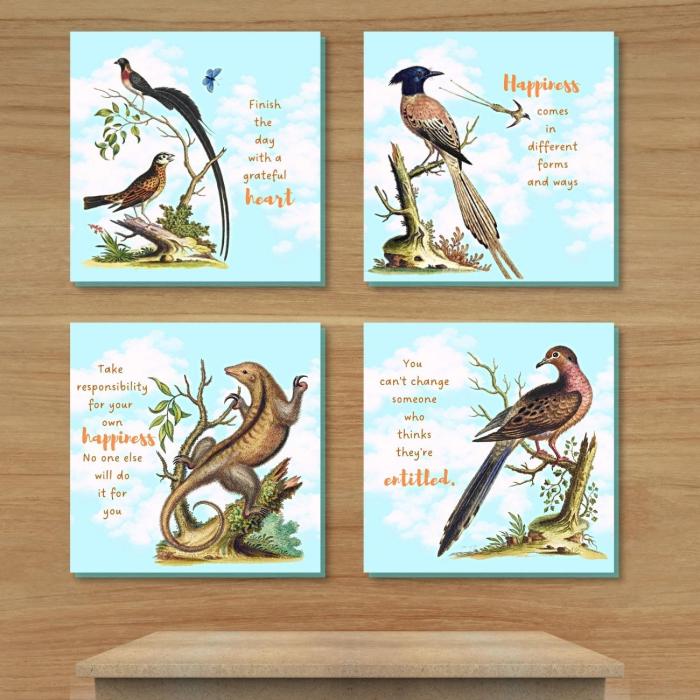
Inspirational art transcends mere aesthetics; it possesses a profound capacity to influence our emotional landscape and overall well-being. The visual language of such art, encompassing vibrant colors, evocative imagery, and powerful symbolism, can trigger a cascade of positive responses, impacting our mental and emotional states. This exploration delves into the psychological mechanisms behind these effects, highlighting the tangible benefits of exposure to inspirational artwork.The act of viewing inspirational art can be likened to a form of emotional therapy.
The powerful imagery, coupled with the evocative themes, can evoke a range of positive emotions, from joy and awe to hope and inspiration. These emotional responses, in turn, contribute to a sense of calm and well-being, mitigating stress and fostering a more optimistic outlook.
Psychological Impact of Visual Stimulation
Exposure to inspirational art activates specific neural pathways in the brain associated with emotional processing and reward. This neural activity is linked to the release of endorphins, natural mood elevators that produce feelings of pleasure and well-being. Furthermore, the intricate interplay of colors, shapes, and compositions within the artwork can trigger a sense of harmony and balance, potentially reducing feelings of anxiety and promoting a state of mental equilibrium.
Positive Emotional Responses and Well-being
Inspirational art often features themes of overcoming adversity, celebrating human potential, and embracing beauty in the world. These themes resonate deeply with viewers, prompting reflection on their own lives and aspirations. This introspective process can foster a sense of purpose and meaning, which are critical components of overall well-being. The feeling of connection to something larger than oneself, fostered by the art, can be a powerful antidote to feelings of isolation and loneliness.
Studies have shown that engagement with the arts, including inspirational art, can enhance self-esteem and reduce symptoms of depression.
Evidence of Positive Effects
Numerous studies have explored the impact of art on mental health. For instance, research consistently indicates that exposure to nature-inspired art can reduce stress levels and improve mood. This is likely due to the soothing and calming effect of natural imagery, mirroring the benefits of spending time in nature. Further studies have demonstrated a correlation between viewing art and increased feelings of happiness and contentment.
These findings underscore the potential of inspirational art to contribute significantly to psychological well-being.
Emotional Responses and Personal Experiences
The impact of inspirational art is highly personal and subjective. Some individuals might experience a profound sense of connection to the artist’s vision, feeling inspired to pursue their own goals. Others may find solace and comfort in the artwork’s depiction of human resilience and strength. The emotional responses elicited by exposure to inspirational art can be diverse, encompassing a spectrum of feelings from joy and hope to tranquility and awe.
These personal experiences, often deeply meaningful, contribute to the art’s enduring power to enrich our lives.
Contemporary Expressions of Inspirational Art

Contemporary artists are reimagining the very essence of inspiration, drawing on a rich tapestry of historical and cultural influences while embracing the language of modern techniques. This evolution reflects a profound shift in how we perceive and interact with the world, finding fresh pathways to convey timeless messages of hope, resilience, and aspiration. This innovative approach to inspirational art transcends the limitations of traditional styles, appealing to a wider audience through accessible aesthetics and engaging narratives.Contemporary artists often use modern techniques to convey traditional inspirational messages, incorporating elements of digital art, mixed media, and conceptual approaches.
This fusion allows artists to create vibrant and dynamic works that resonate with contemporary audiences while retaining the core values of inspiration.
Examples of Contemporary Inspirational Artists
Contemporary artists are increasingly employing diverse mediums and techniques to create inspirational art. Their work demonstrates a dynamic interplay between traditional artistic values and contemporary aesthetics, reaching a broader audience and fostering a fresh perspective on inspiration.
| Artist | Artwork | Modern Approach |
|---|---|---|
| Yayoi Kusama | “Infinity Mirrored Room – The Souls of Millions for the Souls of Millions, for you, for the world. for eternity” | Kusama’s use of vibrant colours and repetition, combined with immersive installations, creates an experience that evokes a sense of interconnectedness and universal inspiration. Her bold use of digital techniques and scale creates a modern, impactful statement about shared human experience. |
| Kehinde Wiley | “The History of the World” series | Wiley’s portraits, often of historical figures, are rendered in a bold, almost comic-book style. The use of vibrant colours and dynamic compositions provides a contemporary lens for viewing history, connecting the past to present concerns and inspirational figures. |
| Anish Kapoor | “Cloud Gate” (The Bean) | Kapoor’s sculptures often incorporate a strong element of theatricality, challenging viewers to contemplate the nature of perception and reality. The use of large-scale installations and unconventional materials creates a dynamic and thought-provoking engagement with viewers. |
| Marina Abramović | Performance art pieces | Abramović’s performance art often focuses on themes of endurance, vulnerability, and resilience. Her minimalist approach to performance and use of unconventional mediums create a powerful and direct expression of inspiration. |
Tools and Techniques for Creating Inspirational Art
Inspirational art transcends mere aesthetics; it possesses the power to evoke emotions, spark contemplation, and uplift the human spirit. Mastering the tools and techniques behind its creation is crucial for artists aiming to craft pieces that resonate deeply with their audience. Understanding the diverse mediums and refined approaches used in the field allows artists to effectively communicate their vision and achieve a profound impact.Artists employ a multifaceted approach to achieve evocative results.
They carefully select materials and techniques to express emotions and ideas effectively. The careful consideration of each step, from initial concept to final execution, is essential in producing a meaningful and inspiring piece of art. The choice of medium, whether traditional or digital, plays a pivotal role in shaping the artwork’s overall aesthetic and impact.
Painting Techniques
Painting, a timeless medium, offers a rich tapestry of techniques for conveying inspirational messages. Oil painting, renowned for its luminous depth and blending capabilities, allows artists to create textures and gradations that evoke a wide spectrum of feelings. Acrylic painting, known for its vibrant hues and quick-drying nature, provides a dynamic approach for capturing rapid ideas and emotions.
Watercolor painting, with its delicate washes and transparent layers, excels at conveying a sense of serenity and ethereal beauty.Each technique demands a unique approach. For oil painting, meticulous layering and careful blending are key to achieving rich, complex tones. Acrylic painting often benefits from bold strokes and a dynamic application to capture a sense of energy and movement.
Watercolor painting relies on careful washes and controlled layering to create delicate and evocative effects.
Sculpture Techniques
Sculpting, a three-dimensional art form, offers artists diverse methods to express powerful emotions and ideas. Carving, often employed with stone or wood, allows for the creation of intricate forms and textures that convey a sense of strength and resilience. Casting, using molds to create replicas of forms, enables the reproduction of delicate designs and complex structures, providing a unique perspective on inspirational themes.
Assemblage, utilizing diverse materials to construct a sculpture, presents a vibrant and unconventional way to express creativity and innovation.Different sculptural techniques cater to varying aesthetic goals. Carving requires precision and patience, while casting offers the potential for reproducibility and multiple interpretations. Assemblage invites a more improvisational approach, allowing artists to create unique and compelling narratives.
Digital Art Techniques
Digital art, with its ever-evolving tools, provides an expansive platform for creating inspiring visuals. Digital painting software, with its wide array of brushes and effects, empowers artists to experiment with diverse styles and techniques, blending traditional and digital approaches. Digital sculpting software allows for intricate modeling and manipulation of forms, enabling artists to create complex and visually captivating figures.
Photo manipulation techniques, blending digital and photographic elements, allow artists to transform ordinary images into extraordinary and evocative works of art.Digital techniques demand a mastery of software tools. Experimentation with various brushes and effects in digital painting software is essential to achieving desired results. Digital sculpting software requires an understanding of three-dimensional modeling principles and manipulation techniques.
Photo manipulation software provides a platform for creatively combining photographs and digital elements to express diverse emotions and narratives.
Recommended Resources
- Online Courses: Platforms like Skillshare, Udemy, and Coursera offer a wide array of online courses covering various art techniques, including painting, sculpture, and digital art. These courses provide structured learning experiences and access to expert instructors.
- Art Books and Magazines: Numerous art books and magazines delve into specific techniques and styles. These resources offer in-depth insights and inspiration for artists seeking to expand their skill set.
- Art Workshops and Classes: Local art centers and studios often host workshops and classes, offering hands-on instruction in diverse art forms. These opportunities provide valuable experience and mentorship.
- Art Communities and Forums: Engaging with online art communities and forums provides a platform for artists to share ideas, ask questions, and learn from each other’s experiences. These communities offer valuable support and inspiration.
Final Review
In conclusion, inspirational quotes art is a potent force for positive change, capable of fostering reflection, motivation, and emotional connection. This exploration of the subject matter has highlighted the myriad ways in which art can communicate profound messages, touching upon diverse audiences and enriching lives.
